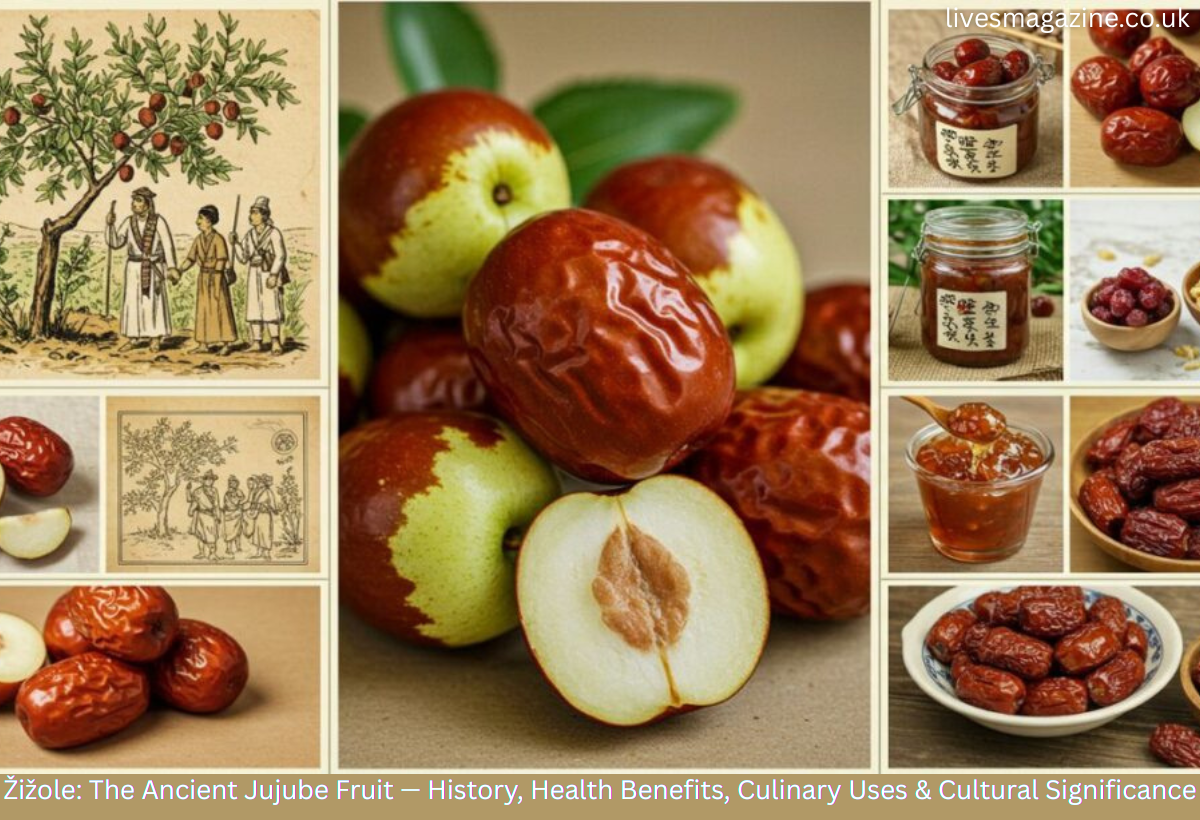
Introduction: Why Žižole Stands Out
Žižole, or jujube, is a small, oval fruit that offers a remarkable combination of taste, nutrition, and history. When fresh, it is crisp and apple-like; when dried, it becomes sweet and chewy, similar to dates. Nutrient-rich despite its size, 100 grams of fresh jujube provides approximately 79 kcal, 20 g carbohydrates, 10 g fiber, and up to 77% of your daily vitamin C. Historically, the fruit has been valued as both food and medicine across China, India, the Balkans, and the Middle East.
Origins and Historical Journey of Žižole
Ancient Beginnings in China
Žižole’s cultivation dates back over 4,000 years in China’s Yellow River basin. Ancient Chinese texts and artwork highlight its role as a food source and medicinal tonic. Over centuries, the fruit traveled along trade routes like the Silk Road, spreading westward and entering diverse culinary traditions.
Spread to the Balkans and Mediterranean
In the Balkans and along the Adriatic coast, the fruit became known as žižula or žižule, and in Bulgaria, as hinap. It became a staple in Mediterranean cuisine, used for jams, dried snacks, and spirits, symbolizing cultural exchange and adaptability.
Folklore and Symbolism
Across cultures, žižole represents longevity, fertility, and resilience. Its ability to thrive in arid soils and store well as dried fruit made it a symbol of endurance and abundance in folk traditions.
Culinary Traditions Around the World
Slovenian Uses
In Slovenia, žižole is used in jams, herbal teas, sweets, and festive pastries. Its natural sweetness and mild acidity make it ideal for both rustic and refined desserts.
Croatian Traditions
In Dalmatia and Istria, locals prepare džem od žižula (jujube jam), candied fruit, and fruit-infused liqueurs. Harvest festivals often feature these treats to celebrate the season and honor guests.
Indian and Middle Eastern Preparations
In India, jujube species are dried, spiced, or turned into syrups. The Tamil Nadu Elanthai fruit is a popular street snack combining sweet and spicy flavors. In the Middle East, jujube is simmered into syrups or enjoyed as a dried snack.
Modern Culinary Innovations
Chefs worldwide are incorporating žižole into:
- Preserves and baked goods: jams, compotes, breads, and cakes
- Savory dishes: glazes for roasted meats, chutneys, and sauces
The contrast between crisp freshness and chewy sweetness makes žižole a versatile ingredient in contemporary fusion recipes.
Nutritional Value and Bioactive Compounds
Key Nutrients (per 100 g fresh fruit)
- Calories: ≈ 79 kcal
- Carbohydrates: ≈ 20 g
- Fiber: ≈ 10 g
- Vitamin C: ≈ 70 mg (up to 77% DV)
- Potassium: ≈ 250 mg
- Protein: ≈ 1 g
Phytochemicals and Antioxidants
Žižole is rich in polyphenols, flavonoids (quercetin, rutin), triterpenes, and polysaccharides. These compounds support antioxidant activity, anti-inflammatory effects, and overall cellular protection.
Fresh vs. Dried
Drying concentrates sugars and calories while enhancing flavor and shelf life. Fresh fruit is best for vitamin C intake, while dried fruit is a portable, energy-dense snack.
Traditional and Medicinal Uses
Traditional Chinese Medicine
Known as zao, jujube nourishes the blood, calms the mind, and aids digestion. Seeds promote restful sleep and reduce anxiety, while the fruit restores energy.
Balkan Folk Remedies
Žižole tea is used to treat colds, boost energy, and soothe sore throats. Homemade liqueurs and syrups serve similar restorative purposes.
Indian Ayurvedic and Siddha Practices
Jujube fruits enhance digestion, improve skin tone, and support vitality. Often combined with honey or spices, they form therapeutic snacks and tonics.
Scientifically Proven Health Benefits
Antioxidant and Anti-Inflammatory Effects
Laboratory studies show that jujube extracts neutralize free radicals and reduce inflammation, comparable to many berries.
Immune Support
Fresh žižole is a rich source of vitamin C, strengthening immunity and promoting healthy skin through collagen synthesis.
Sleep and Anxiety Support
Research on jujube seed extracts indicates potential improvements in sleep quality and anxiety reduction, thanks to natural calming compounds.
Digestive and Gut Health
High fiber and polysaccharides aid bowel regularity, nourish gut bacteria, and protect the stomach lining.
Metabolic and Heart Health
Preliminary studies suggest jujube may help maintain healthy cholesterol and blood sugar levels, supporting cardiovascular wellness.
How to Enjoy Žižole
Traditional Preparations
- Fresh: eaten raw like apples
- Dried: sweet, chewy snack
- Jam: simmered with sugar and lemon
- Tea: sliced and steeped
- Liqueur: soaked in spirits for festive drinks
Modern Culinary Uses
- Compotes over yogurt or cheesecake
- Candied fruit as natural sweets
- Spiced chutneys
- Smoothies with banana and oats
- Granola or bread with dried pieces
Quick Žižole Jam Recipe
- 500 g fresh, pitted žižole
- 200–250 g sugar
- Juice of 1 lemon
Simmer for 30 minutes until thickened. Store in sterilized jars. Perfect for breakfast or baked goods.
Growing and Harvesting Žižole
Ideal Conditions
Jujube trees thrive in hot summers and cold winters. They tolerate drought and poor soil but prefer sunny, well-drained locations.
Cultivation Tips
- Full sun exposure
- Regular watering until established
- Annual pruning for airflow
- Minimal pest issues
- Propagation by grafting for consistent fruit
Harvesting and Storage
Pick fruits when they turn reddish-brown. For dried fruit, leave them on the tree until wrinkles form. Store dried fruit in airtight containers for long-term use.
Cultural and Symbolic Importance
Žižole represents:
- Hospitality: offered at festivals and gatherings
- Resilience: thrives in challenging climates
- Heritage: celebrated in songs, poems, and folklore
It remains a bridge between nature, tradition, and community life.
Safety and Precautions
- Drug interactions: Seed extracts may interact with sedatives or antidepressants
- Pregnancy: Safe as food; avoid high-dose supplements
- Blood sugar: Dried forms are high in sugar; consume in moderation
- Allergies: Rare; test small amounts if sensitive
Žižole in Modern Culture
The fruit has gained global attention for its antioxidant, sleep-supporting, and nutritional properties. Gardeners, chefs, and wellness enthusiasts now feature it in teas, gourmet jams, and skincare products.
Conclusion
Žižole is more than a fruit — it’s a symbol of longevity, nutrition, and culinary tradition. Whether eaten fresh, dried, brewed into tea, or cooked into jam, žižole unites ancient heritage with modern wellness, offering both flavor and health in every bite.
FAQs
Q: Are žižole and jujube the same?
A: Yes. Žižole is a regional name for Ziziphus jujuba, also called Chinese date.
Q: How many calories are in 100 g fresh žižole?
A: Approximately 79 kcal, depending on variety.
Q: Can žižole improve sleep?
A: Research on seed extracts shows potential benefits for sleep quality; safe as a bedtime tea.
Q: Can I grow žižole at home?
A: Yes. Hardy, drought-tolerant, and low-maintenance, it thrives in sunny, well-drained soil.
Read More:- Cumhuritey