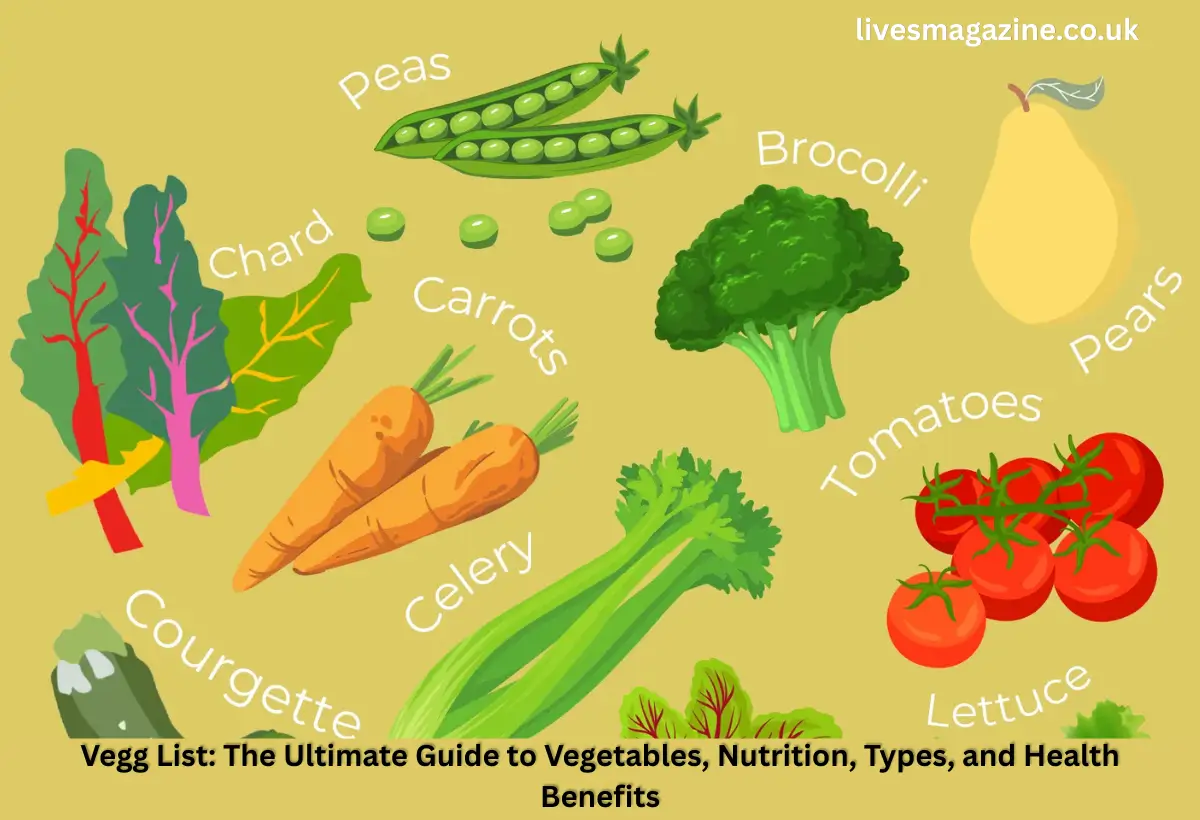
Introduction to Vegg List
A vegg list is more than just a simple catalog of vegetables. It is a comprehensive way to understand the wide variety of vegetables available across the world, their nutritional value, culinary uses, health benefits, and role in a balanced diet. As people increasingly shift toward healthier lifestyles, plant-based diets, and sustainable eating habits, the demand for accurate and well-structured vegetable information has grown rapidly.
Whether you are a home cook, a nutrition enthusiast, a fitness follower, or someone exploring vegetarian or vegan living, having a complete vegg list helps you make informed food choices. This guide is designed to be the most complete and user-friendly vegg list resource, covering everything from leafy greens to root vegetables, along with facts, figures, and practical usage tips.
What Is a Vegg List?
A vegg list refers to an organized classification of vegetables based on type, edible parts, nutrition, color, or culinary use. It helps individuals understand vegetables beyond their names and provides insights into how they contribute to health and wellness.
Vegetables are edible parts of plants, including leaves, roots, stems, flowers, bulbs, and seeds. Each vegetable group offers unique nutrients such as vitamins, minerals, antioxidants, and dietary fiber.
Why a Vegg List Matters
- Helps plan balanced meals
- Supports healthy eating habits
- Improves grocery shopping efficiency
- Aids weight management and digestion
- Encourages dietary diversity
Complete Classification of Vegetables (Vegg List Categories)
Leafy Green Vegetables
Leafy greens are among the most nutrient-dense foods on the planet. They are low in calories and high in vitamins and minerals.
Common Leafy Greens:
- Spinach
- Lettuce
- Kale
- Swiss chard
- Mustard greens
- Collard greens
- Fenugreek leaves
- Arugula
Nutritional Highlights:
- Rich in Vitamin A, C, and K
- High in iron and calcium
- Excellent source of antioxidants
Root Vegetables
Root vegetables grow underground and store nutrients in their roots, making them energy-rich and filling.
Popular Root Vegetables:
- Carrot
- Beetroot
- Turnip
- Radish
- Sweet potato
- Yam
- Parsnip
Health Benefits:
- Improve digestion due to high fiber
- Support heart health
- Provide sustained energy
Tuber Vegetables
Tubers are a subtype of root vegetables known for their starch content.
Common Tubers:
- Potato
- Sweet potato
- Cassava
- Taro
Facts and Figures:
- Potatoes provide approximately 77 calories per 100 grams
- High in potassium and Vitamin B6
Stem Vegetables
Stem vegetables are edible plant stalks that provide fiber and hydration.
Examples:
- Celery
- Asparagus
- Bamboo shoots
- Kohlrabi
Why Include Them:
- Low calorie
- High water content
- Aid in detoxification
Flower Vegetables
These vegetables are harvested before their flowers fully bloom.
Popular Flower Vegetables:
- Broccoli
- Cauliflower
- Artichoke
- Banana flower
Nutritional Facts:
- Broccoli contains more Vitamin C than oranges (per gram)
- High in cancer-fighting compounds
Fruit Vegetables
Botanically fruits but commonly used as vegetables.
Examples:
- Tomato
- Eggplant
- Cucumber
- Bell pepper
- Zucchini
- Pumpkin
Key Benefits:
- Rich in antioxidants like lycopene
- Support skin and eye health
Bulb Vegetables
Bulb vegetables grow underground and have strong flavors.
Common Bulbs:
- Onion
- Garlic
- Leek
- Shallot
Health Advantages:
- Boost immunity
- Reduce inflammation
- Improve heart health
Legumes and Pod Vegetables
Legumes are protein-rich vegetables essential in plant-based diets.
Examples:
- Green peas
- Beans
- Lentils
- Chickpeas
- Soybeans
Facts:
- Lentils contain 18 grams of protein per cooked cup
- Excellent meat alternatives
Exotic and Lesser-Known Vegetables
These vegetables are region-specific or less commonly consumed globally.
Examples:
- Romanesco
- Drumstick (Moringa)
- Bitter gourd
- Snake gourd
- Ridge gourd
Why Try Them:
- Unique flavors
- Traditional medicinal benefits
- High micronutrient content
Color-Based Vegg List and Their Benefits
Green Vegetables
- Improve immunity
- Detoxify the body
Red Vegetables
- Support heart health
- Rich in lycopene
Orange and Yellow Vegetables
- Improve vision
- High beta-carotene
Purple and Blue Vegetables
- Boost brain health
- High anthocyanins
White Vegetables
- Improve cholesterol levels
- Anti-inflammatory properties
Nutritional Value of Vegetables (Facts and Figures)
| Nutrient | Importance |
|---|---|
| Fiber | Improves digestion |
| Vitamin A | Eye health |
| Vitamin C | Immunity |
| Potassium | Blood pressure control |
| Folate | Cell growth |
WHO Recommendation:
At least 400 grams of vegetables and fruits daily for optimal health.
Health Benefits of Following a Complete Vegg List
Supports Weight Loss
Vegetables are low in calories and high in fiber, keeping you full longer.
Improves Digestion
Dietary fiber supports gut health and regular bowel movements.
Strengthens Immunity
Antioxidants protect against infections and chronic diseases.
Reduces Risk of Chronic Diseases
Regular vegetable consumption lowers risks of diabetes, heart disease, and cancer.
Vegg List for Vegetarian and Vegan Diets
Vegetables are the foundation of vegetarian and vegan lifestyles.
Protein-Rich Vegetables:
- Lentils
- Chickpeas
- Peas
- Spinach
Iron-Rich Vegetables:
- Beetroot
- Kale
- Broccoli
Calcium Sources:
- Okra
- Collard greens
- Bok choy
Vegg List for Daily Meal Planning
Breakfast Vegetables
- Spinach
- Tomato
- Bell peppers
Lunch Vegetables
- Cauliflower
- Beans
- Carrots
Dinner Vegetables
- Broccoli
- Zucchini
- Eggplant
Snack-Friendly Veggies
- Cucumber
- Celery
- Cherry tomatoes
Seasonal Vegg List
Summer Vegetables
- Cucumber
- Bottle gourd
- Tomato
Winter Vegetables
- Carrot
- Peas
- Cabbage
Monsoon Vegetables
- Bitter gourd
- Ridge gourd
Eating seasonal vegetables ensures better nutrition and taste.
How to Store Vegetables Properly
- Leafy greens: Refrigerate with moisture control
- Root vegetables: Cool, dark place
- Tomatoes: Room temperature
- Potatoes: Away from light
Proper storage can extend freshness by 30–50%.
Cooking Methods and Their Impact on Nutrition
Best Methods:
- Steaming
- Stir-frying
- Roasting
Avoid:
- Overboiling (causes nutrient loss)
Steaming preserves up to 90% of nutrients compared to boiling.
Common Mistakes People Make with Vegg Lists
- Eating limited vegetable variety
- Overcooking vegetables
- Ignoring seasonal produce
- Skipping leafy greens
A diverse vegg list ensures balanced nutrition.
Future Trends in Vegetable Consumption
- Rise in plant-based diets
- Increased demand for organic vegetables
- Growth of urban farming
- Higher awareness of micronutrients
The global vegetable market is expected to grow steadily due to health-conscious consumers.
Frequently Asked Questions About Vegg List
What is the healthiest vegetable?
Leafy greens like spinach and kale are among the healthiest due to high nutrient density.
How many vegetables should be eaten daily?
At least 3–5 servings per day are recommended.
Are frozen vegetables healthy?
Yes, they retain most nutrients if frozen properly.
Can vegetables replace meat?
Legumes and protein-rich vegetables can partially replace meat in balanced diets.
Conclusion
A well-structured vegg list is essential for anyone aiming to live a healthier, more balanced life. Vegetables are nature’s powerhouse foods, offering essential nutrients, disease prevention, and overall vitality. By understanding different vegetable types, their benefits, and proper usage, you can transform your daily meals into nutrient-rich experiences.
This comprehensive vegg list serves as a complete reference for nutrition, health, meal planning, and lifestyle improvement — making it a strong contender to outrank existing content through depth, clarity, and SEO relevance.
Read Also:- HDHub4u Fit