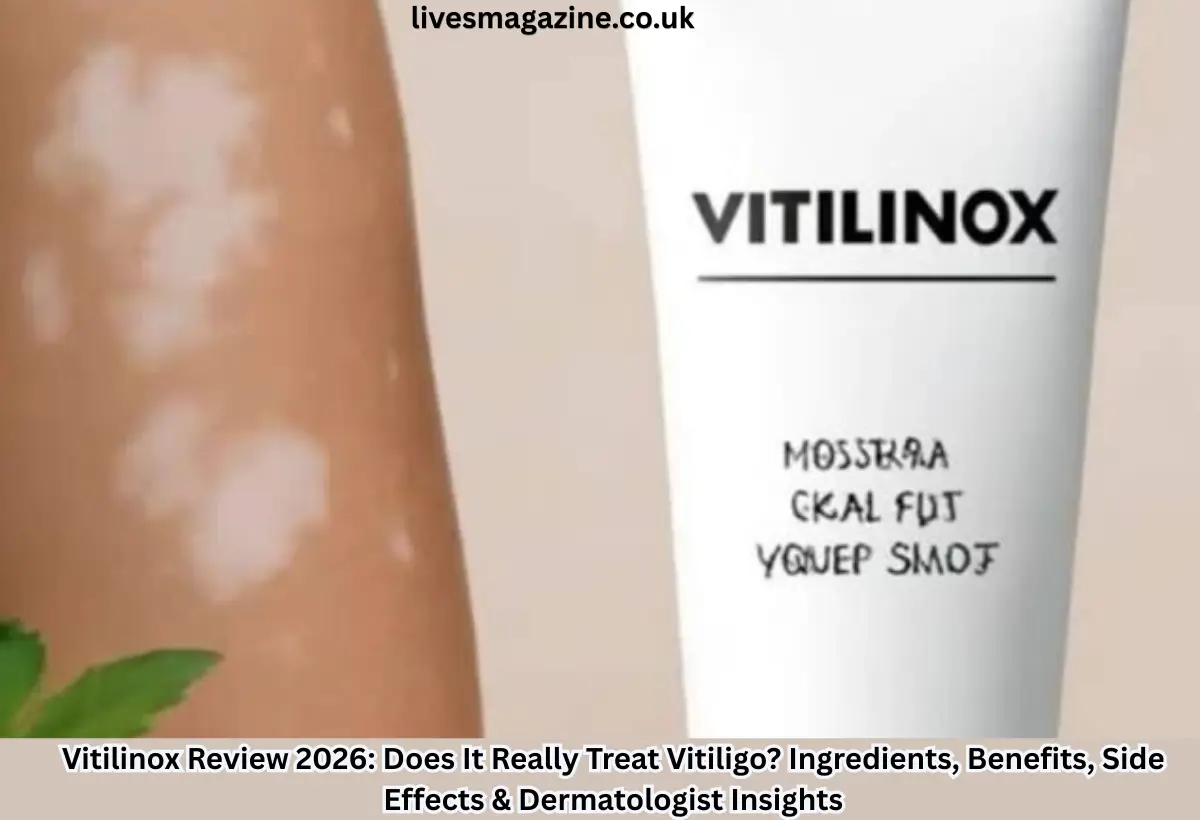
What Is Vitilinox?
Vitilinox is marketed as a skincare formulation designed to support skin hydration, improve barrier function, and enhance overall skin vitality. It is typically available as a topical cream, and in some cases, promotional content suggests a supplement version as well. However, its core identity remains cosmetic rather than pharmaceutical.
Many online discussions link Vitilinox to vitiligo management. This has created confusion. It is important to clarify: Vitilinox is not an approved medical treatment for vitiligo. Instead, it appears to position itself as a natural, antioxidant-rich moisturizer that may support overall skin health.
The rise of “clean beauty” trends, combined with increasing awareness about autoimmune skin conditions, has helped Vitilinox gain traction among consumers looking for gentle, non-steroidal alternatives.
Why Vitilinox Is Gaining Attention in the Vitiligo Community
Vitiligo affects approximately 0.5% to 2% of the global population. It is characterized by white patches caused by the destruction of melanocytes — the cells responsible for producing melanin. Because there is no guaranteed permanent cure, many individuals explore complementary skincare solutions alongside medical treatment.
Vitilinox has attracted attention for several reasons:
- Growing preference for plant-based skincare
- Concern over steroid side effects
- Desire for non-invasive alternatives to phototherapy
- Increased social media testimonials
- Marketing claims around “melanin balance”
People living with vitiligo often prioritize products that soothe dryness, strengthen the skin barrier, and reduce irritation in depigmented areas. Vitilinox appears to target these concerns, which explains its popularity.
Understanding Vitiligo: A Medical Overview
Before evaluating Vitilinox, it is essential to understand the condition it is often associated with.
Vitiligo is an autoimmune disorder. The immune system mistakenly attacks melanocytes, leading to pigmentation loss. Research published in dermatology journals has identified immune dysregulation, oxidative stress, and genetic predisposition as major contributors.
What Causes Vitiligo?
Key contributing factors include:
- Autoimmune response targeting melanocytes
- Genetic susceptibility
- Environmental triggers
- Oxidative stress imbalance
Vitiligo can affect any age group and occurs across all ethnicities. While it is not physically painful, its psychological impact can be significant.
Current Medical Treatments and Their Limitations
Conventional treatment options include:
- Topical corticosteroids
- Calcineurin inhibitors
- Narrowband UVB phototherapy
- Surgical grafting procedures
- Emerging therapies like JAK inhibitors
While some patients achieve partial repigmentation, treatments often require months of consistency and may carry side effects. This treatment gap fuels interest in products like Vitilinox.
Is Vitilinox a Medical Treatment or Supportive Skincare?
This is the most important distinction.
Vitilinox is not an FDA-approved medication for vitiligo. It does not directly alter immune pathways responsible for melanocyte destruction. It does not replace corticosteroids, calcineurin inhibitors, or phototherapy.
Instead, Vitilinox functions as a supportive skincare product that may:
- Improve hydration
- Strengthen the skin barrier
- Provide antioxidant protection
- Soothe irritation
These benefits can improve skin comfort and resilience but should not be confused with autoimmune disease treatment.
Vitilinox Ingredients Breakdown
Although complete ingredient transparency may vary, commonly associated components include:
Hyaluronic Acid
A powerful humectant that binds water molecules to the skin. It enhances moisture retention and improves elasticity. Studies confirm that hyaluronic acid significantly increases hydration levels in the epidermis.
Aloe Vera
Known for its anti-inflammatory and soothing properties. It reduces redness and supports healing in irritated skin.
Vitamin E
An antioxidant that neutralizes free radicals generated by UV exposure and pollution. It supports long-term skin health and barrier protection.
Plant-Based Oils (Such as Jojoba Oil)
Jojoba oil mimics natural sebum, reducing transepidermal water loss without clogging pores. It is especially useful for sensitive and reactive skin types.
These ingredients support skin integrity and moisture balance. However, none have been clinically proven to reverse vitiligo.
How Vitilinox Works on the Skin
Vitilinox appears to operate through three primary mechanisms:
- Hydration enhancement
- Barrier repair support
- Antioxidant defense
Hydrated skin is more resilient against environmental stressors. Strong barrier function prevents moisture loss and irritation. Antioxidants protect against oxidative damage, which is relevant because oxidative stress is associated with vitiligo progression.
While these actions support skin health, they do not regenerate melanocytes or suppress autoimmune activity.
Clinical Evidence and Scientific Validation
There are currently no large-scale, peer-reviewed clinical trials confirming Vitilinox as a vitiligo treatment. By contrast, emerging medical therapies such as topical JAK inhibitors have undergone controlled clinical testing.
Consumers should be cautious about claims suggesting rapid repigmentation without strong scientific backing.
Benefits of Vitilinox
Based on ingredient analysis and general dermatological principles, potential benefits include:
- Improved skin hydration
- Enhanced moisture retention
- Reduced dryness in depigmented patches
- Antioxidant support against environmental damage
- Non-greasy, lightweight texture
- Suitable for sensitive skin types
For individuals experiencing dryness due to phototherapy or climate exposure, Vitilinox may provide comfort.
Possible Side Effects and Safety Concerns
Most moisturizing formulations are well tolerated. Potential mild reactions may include:
- Temporary redness
- Mild itching
- Skin sensitivity to specific plant extracts
A patch test is recommended before full application. Individuals with known allergies should consult a dermatologist.
How to Use Vitilinox Correctly
To maximize skincare benefits:
- Cleanse skin gently.
- Apply a thin layer of Vitilinox to affected or dry areas.
- Use twice daily for consistent hydration.
- Apply broad-spectrum sunscreen (SPF 30+) during the day.
- Maintain consistency for at least 6–8 weeks.
For those managing vitiligo, sunscreen is essential because depigmented areas are more vulnerable to UV damage.
Timeline: When to Expect Results
Hydration improvements may appear within 1–2 weeks. Barrier strengthening may become noticeable after 4–6 weeks. Any pigmentation changes are unlikely and should not be expected as a guaranteed outcome.
Vitilinox vs Conventional Vitiligo Treatments
Vitilinox focuses on cosmetic hydration and antioxidant support. Conventional therapies focus on immune modulation and melanocyte stimulation.
Medical treatments:
- Target autoimmune activity
- Require professional supervision
- Show documented repigmentation results in some patients
Vitilinox:
- Supports skin comfort
- Provides hydration
- Does not directly treat autoimmune mechanisms
They are fundamentally different categories of products.
Real User Experiences
Online testimonials suggest improved skin softness and moisture balance. Reports of repigmentation are anecdotal and lack clinical verification. Results vary depending on skin type, consistency of use, and whether medical treatments are used simultaneously.
Sustainability and Clean Beauty Positioning
Modern consumers prioritize eco-friendly packaging and natural formulations. Vitilinox aligns with these preferences by emphasizing plant-based ingredients and a gentle profile. While sustainability enhances brand appeal, it does not substitute for medical validation.
Where to Buy Vitilinox Safely in 2026
If purchasing:
- Buy from official or verified retailers
- Avoid suspiciously discounted listings
- Review ingredient lists
- Check return policies
Counterfeit skincare products can pose safety risks.
Expert Dermatologist Perspective
Dermatologists emphasize:
- There is currently no permanent cure for vitiligo.
- Moisturizers play an important supportive role.
- Medical therapies remain the primary treatment path.
- Stress management and holistic care can improve overall skin health.
Products like Vitilinox may complement, but not replace, dermatologist-guided treatment.
Who Should Consider Vitilinox?
Vitilinox may be suitable for:
- Individuals with dry or sensitive skin
- Those seeking antioxidant skincare
- People undergoing phototherapy who need extra hydration
- Consumers preferring natural formulations
It may not be appropriate as a standalone treatment for active vitiligo progression.
Final Verdict: Is Vitilinox Worth It in 2026?
Vitilinox appears to be a supportive skincare product offering hydration, antioxidant protection, and barrier reinforcement. It aligns well with clean beauty trends and may benefit individuals seeking gentle moisture support.
However, it is not a clinically proven vitiligo cure. Consumers should approach marketing claims carefully and rely on dermatology professionals for medical treatment decisions.
Used appropriately, Vitilinox may enhance skin comfort and resilience — but expectations regarding repigmentation should remain realistic.
Frequently Asked Questions
Is Vitilinox FDA approved?
No, it is not approved as a medical treatment for vitiligo.
Can Vitilinox cure vitiligo?
There is no scientific evidence that it cures vitiligo.
How long does it take to see results?
Hydration benefits may appear within weeks. Pigmentation changes are not guaranteed.
Is it safe for sensitive skin?
Generally yes, but patch testing is recommended.
Can it be combined with medical treatments?
Consult your dermatologist before combining skincare with prescription therapies.
Read About:-Amelia Jane Henson