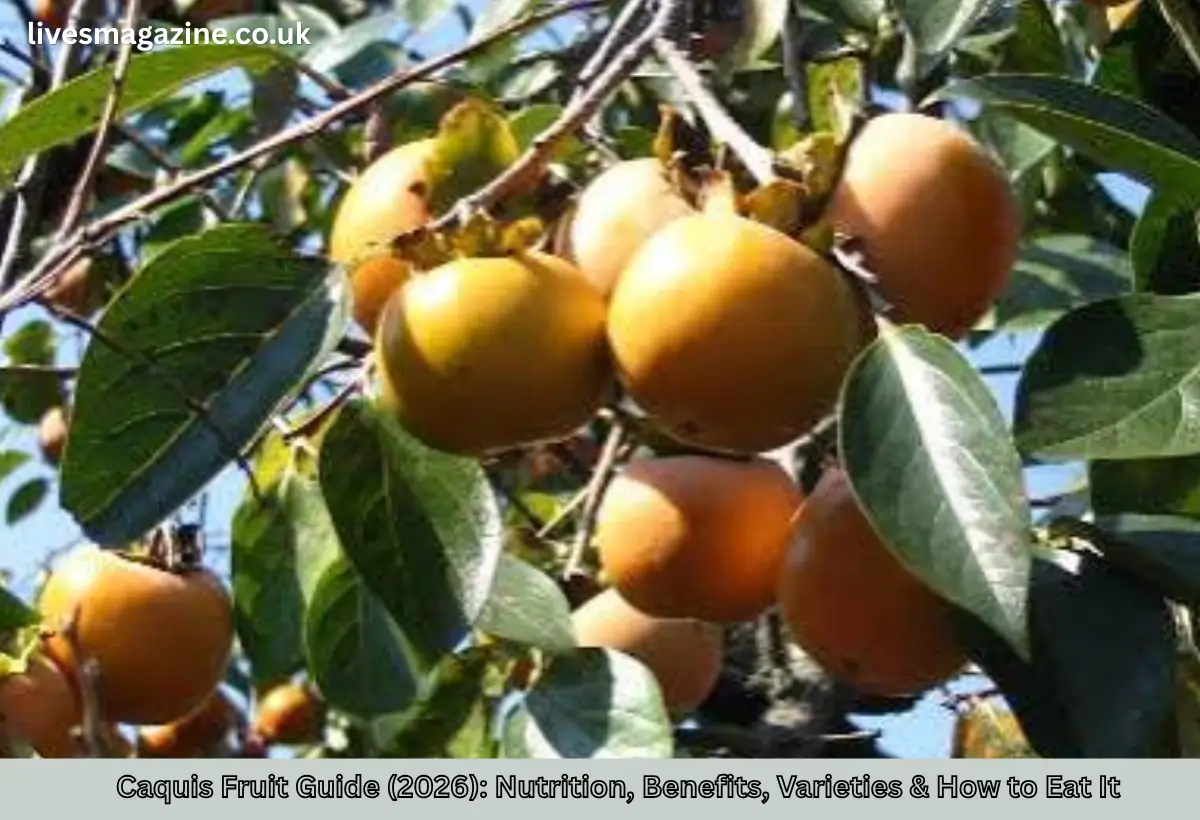
What Is Caquis Fruit?
Caquis fruit is a sweet, vibrant orange fruit commonly known as persimmon, derived mainly from the species Diospyros kaki. It is widely loved for its honey-like flavor, soft texture when ripe, and impressive nutritional value.
In simple terms, caquis is just another name for persimmon, especially used in European markets. It has become increasingly popular due to its convenience, taste, and health benefits.
Unlike many fruits, caquis can be eaten both firm (crisp like an apple) or soft (smooth like a custard) depending on the variety.
Botanical Background and Origin
Caquis fruit belongs to the genus Diospyros, which includes over 200 species of fruit-bearing trees. The most widely cultivated is Diospyros kaki.
Origin and Spread
- Native to China (over 2,000 years ago)
- Later cultivated in Japan and South Korea
- Spread globally to Europe, the Americas, and beyond
Today, persimmons are grown in many warm regions, with China dominating global production and contributing a major share of total output.
What Is Caquis Persimon?
Caquis Persimon is a premium variety of persimmon, mainly grown in Spain, particularly in the region of Ribera del Xúquer.
This variety is known for:
- Being non-astringent
- Having a firm, apple-like texture
- Offering consistent sweetness and quality
It is protected by a designation of origin, ensuring high standards in cultivation and distribution.
Types of Caquis Fruit (Persimmon Varieties)
Astringent vs Non-Astringent Persimmons
There are two main types:
1. Astringent Persimmons
- High tannin content
- Bitter if eaten unripe
- Must be soft before eating
2. Non-Astringent Persimmons
- Low tannins
- Can be eaten while firm
- Sweet even before full ripeness
Popular Varieties
Hachiya Persimmon
Soft and jelly-like when fully ripe.
Fuyu Persimmon
Crisp, sweet, and apple-like in texture.
Rojo Brillante
The primary variety used in Caquis Persimon production.
These varieties differ in texture, sweetness, and usage, making caquis fruit incredibly versatile.
What Makes Caquis Fruit Unique?
Non-Astringent Nature
Unlike traditional persimmons, Caquis Persimon can be eaten without waiting for complete softness, making it more convenient for everyday consumption.
Flavor and Texture Profile
- Sweet, honey-like taste
- Notes of mango, melon, and apricot
- Texture ranges from crisp to creamy
This dual texture makes it appealing to different preferences and culinary uses.
Nutritional Value of Caquis Fruit
Caquis fruit is considered a nutritional powerhouse.
Nutritional Information Per 168g (Approximately One Fruit)
| Nutrient | Amount |
|---|---|
| Calories | 118 |
| Fiber | 6g |
| Vitamin A | 2740 IU |
| Vitamin C | 12.6 mg |
| Potassium | 270 mg |
It also contains:
- Beta-carotene
- Flavonoids
- Antioxidants
Persimmons are composed of approximately 80% water and 18% carbohydrates, making them both hydrating and naturally energy-rich.
Health Benefits of Caquis Fruit
Supports Eye Health
The high vitamin A content helps maintain healthy vision and supports long-term eye protection.
Boosts Immunity
Vitamin C strengthens the immune system and helps the body fight infections.
Improves Digestion
The fruit’s fiber content promotes healthy digestion, supports gut health, and helps prevent constipation.
Supports Heart Health
Antioxidants help reduce inflammation and may contribute to a lower risk of cardiovascular disease.
Helps With Weight Management
Fiber promotes a feeling of fullness, which may help reduce overeating and support healthy weight goals.
Taste, Texture, and Ripeness
Caquis fruit changes significantly as it ripens.
- Unripe (Astringent Types): Bitter and dry
- Semi-Ripe: Mildly sweet
- Fully Ripe: Very sweet and soft
Ripening is driven by ethylene gas, which softens the fruit and reduces tannin levels.
How to Eat Caquis Fruit
Fresh Consumption
- Eat firm varieties like an apple
- Scoop soft varieties with a spoon
Cooking and Baking
Caquis fruit works well in:
- Cakes
- Breads
- Puddings
Its natural sweetness can reduce the need for added sugar.
Smoothies and Juices
- Blends well with yogurt
- Pairs nicely with citrus fruits
- Adds natural sweetness to beverages
Food Pairings
Caquis fruit pairs well with:
- Cheese
- Fresh salads
- Yogurt
- Breakfast cereals
Storage and Ripening Tips
- Store unripe fruit at room temperature
- Refrigerate ripe fruit to extend freshness
- Place near apples or bananas to accelerate ripening
- Avoid stacking fruits to prevent bruising
Caquis Fruit Farming and Sustainability
Modern caquis cultivation increasingly focuses on sustainable agricultural practices.
These include:
- Water-efficient irrigation systems
- Reduced pesticide usage
- Sustainable harvesting methods
Such practices help reduce environmental impact while maintaining fruit quality and productivity.
Global Production and Market Demand
Global production exceeds five million tons annually.
Major Producing Countries
- China
- Spain
- Japan
- South Korea
Reasons for Rising Demand
- Growing health awareness
- Interest in natural sweeteners
- Popularity of exotic fruits
- Increased demand for nutrient-rich foods
Caquis Fruit vs Regular Persimmon
| Feature | Caquis Persimon | Regular Persimmon |
|---|---|---|
| Taste | Sweet and consistent | Varies by variety |
| Texture | Firm or soft | Often soft |
| Astringency | Low | Can be high |
| Convenience | Ready to eat | Often requires ripening |
Seasonal Availability
Caquis fruit is generally available during:
- September
- October
- November
- December
The highest quality fruit is usually found during autumn and early winter.
Potential Side Effects and Considerations
Although highly nutritious, moderation is recommended.
Potential considerations include:
- High natural sugar content
- Digestive discomfort if consumed excessively
- Rare risk of bezoar formation in susceptible individuals
Most healthy individuals can enjoy caquis fruit safely as part of a balanced diet.
Conclusion
Caquis fruit is one of the most nutritious, versatile, and delicious fruits available today. From its ancient origins in Asia to its premium cultivation in Spain, it has evolved into a globally appreciated fruit.
Its combination of:
- Rich nutritional value
- Unique flavor profile
- Culinary versatility
- Convenient consumption
makes it an excellent addition to a healthy lifestyle.
Frequently Asked Questions (FAQs)
What is caquis fruit?
Caquis fruit is another name for persimmon, especially the non-astringent varieties commonly marketed in Europe.
Is caquis fruit the same as persimmon?
Yes. Caquis is a type of persimmon and often refers to premium varieties such as Caquis Persimon.
Can you eat caquis fruit every day?
Yes. When consumed in moderation, it provides beneficial vitamins, fiber, and antioxidants.
What does caquis fruit taste like?
It has a naturally sweet flavor with honey-like notes and hints of mango, melon, and apricot.
When is caquis fruit in season?
Its primary season runs from September through December.
Is caquis fruit healthy?
Yes. It supports digestion, immunity, eye health, heart health, and overall wellness through its nutrient-rich profile.
For more info:- Annie Bakes