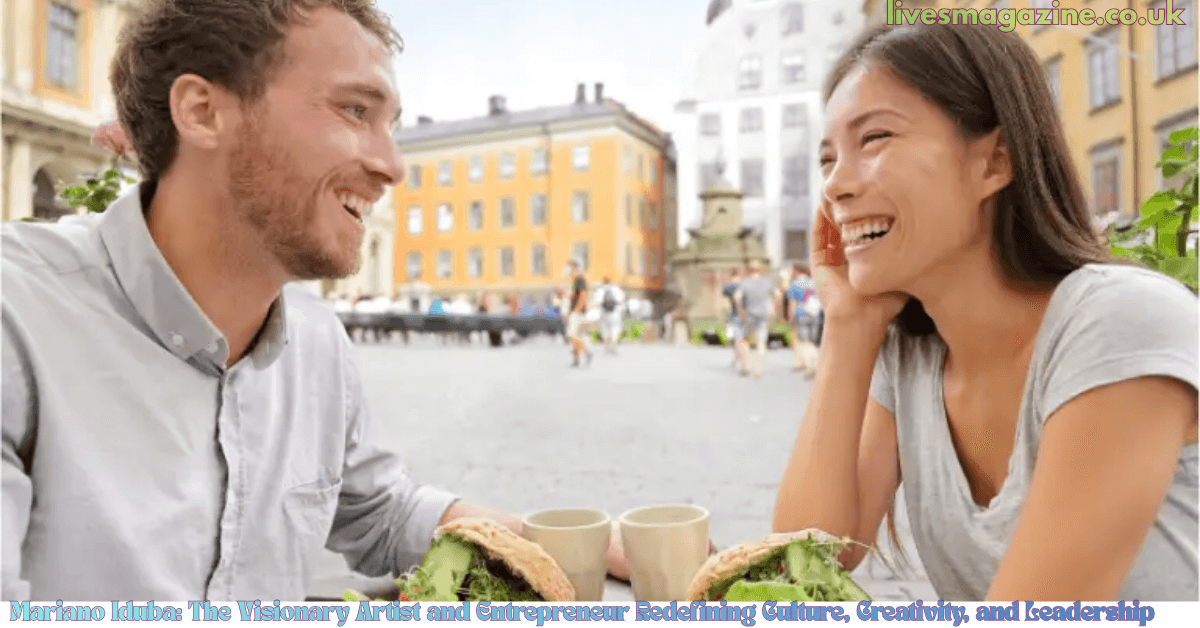
Sweden is known around the world for its design, egalitarian values, and deeply rooted social traditions. One such tradition that beautifully reflects these cultural traits is bjudlunch — a Swedish custom centered around inviting someone to lunch while covering the cost as a gesture of goodwill, connection, and mutual respect. Unlike a casual meal where the bill may be split, bjudlunch carries social value well beyond its literal definition.
In this long-form article, we’ll explore what bjudlunch means, its cultural and social significance, how it’s used in personal and professional settings, and how to host one successfully. By the end, you’ll understand not just the meaning of bjudlunch, but also why it matters — and how you can apply the tradition to your own life.
What Is Bjudlunch?
At its core, bjudlunch is a Swedish word formed from:
- bjuda — meaning “to invite” or “to treat,” and
- lunch — the midday meal.
When someone offers a bjudlunch, they are essentially saying “Lunch is on me.” But this simple phrase carries weight far beyond paying a bill. In Swedish society, it signifies generosity without obligation, thoughtfulness without pressure, and a desire to share time and conversation as much as a meal.
Unlike shared meals where everyone pays their own way, or traditional dinners that might involve more pomp, bjudlunch is rooted in equality, modesty, and the Scandinavian preference for low-pressure social interaction.
The Cultural Meaning of Bjudlunch in Sweden
1. Hospitality Grounded in Equality
Sweden places a high cultural value on equality and social balance. Whether at work or among friends, interactions are often designed to minimize hierarchy and promote mutual respect. Bjudlunch reflects this by allowing one person to host without making the guest feel indebted or inferior.
Instead of showing off one’s ability to pay, the act of treating someone to lunch in Sweden is understood as a genuine gift — one that strengthens connections without creating expectations.
2. Quiet Generosity Instead of Grand Gestures
In many cultures, paying for someone’s meal can imply hierarchy or even obligation. In Sweden, though, the gesture is understated and heartfelt. A bjudlunch is typically modest, held in casual cafés, bistros, or workplace cafeterias rather than upscale restaurants.
This reflects broader Swedish values of simplicity over excess, authenticity over showiness, and respect rather than formality — traits that permeate social and work life alike.
3. Shared Meal as Social Glue
Swedes traditionally prioritize shared experiences that foster connection in calm, unhurried settings. Statistics show that a significant portion of Sweden’s population makes it a point to eat out at least once a week, indicating that lunch is more than just sustenance — it’s a social ritual.
The bjudlunch fits into this pattern as a meaningful, yet unpretentious, opportunity to pause, talk, and connect — whether to catch up with a friend, express gratitude, or build new relationships.
Why Bjudlunch Matters in Modern Life
While the concept of inviting someone to lunch isn’t unique to Sweden, the bjudlunch tradition is particularly meaningful because it encapsulates modern social ideals:
Strengthening Personal Relationships
Inviting someone to lunch and paying the bill says more than any words can express — it signals appreciation, respect, and genuine interest in the other person’s company. In today’s fast-paced world, taking time for a shared meal can deepen friendships and soften social barriers.
Creating Trust and Openness
In professional contexts especially, shared meals allow people to discuss ideas in a relaxed atmosphere. Without the formality of meeting rooms, conversations flow more naturally, making it easier to build trust and rapport.
Encouraging Work–Life Balance
Swedish culture places a premium on balanced living. A relaxed midday meal underscores the importance of stepping away from work to connect, recharge, and engage socially — something many workplaces around the world are now striving to emulate.
Though exact figures on bjudlunch usage aren’t widely collected, national surveys indicate that many Swedes leisure lunch out weekly — a reflection of the value placed on midday meals as social activities.
Bjudlunch vs Shared Lunch in Sweden
It’s important to differentiate bjudlunch from a regular shared lunch:
| Aspect | Bjudlunch | Shared Lunch |
|---|---|---|
| Who pays | Host covers the bill | Each person pays their own |
| Social expectation | Gratitude, quiet exchange | Casual company |
| Cultural meaning | Gesture of goodwill | Social meal |
| Pressure | Low | Low |
In Sweden, splitting a bill is common in many social settings, but a bjudlunch specifically signals an intention — the host has invited and will treat. Misunderstandings can occur when the term is not used clearly, which is why transparency is valued.
Bjudlunch in the Workplace and Business Settings
One of the most notable contexts for bjudlunch is the workplace. Sweden’s strong commitment to egalitarian work culture — including flat hierarchies and collaborative environments — makes bjudlunch especially valuable:
Building Professional Connections
Managers might invite team members to lunch to welcome them, celebrate milestones, or simply check in. The informal setting removes tension and encourages open dialogue.
Networking Without Formality
Unlike formal business dinners, bjudlunch meetings are relaxed. There’s no pressure to impress with extravagant settings — focus stays on conversation and mutual respect.
Equality Across Roles
When colleagues from different levels sit together over lunch, roles soften. Senior staff and junior employees may share ideas more freely, reflecting Sweden’s workplace norms that value inclusivity over hierarchy.
Interestingly, Swedish lunch breaks traditionally fall between 11:00 AM and 1:00 PM, a pattern that supports social dining as a natural part of the workday.
When Is It Appropriate to Host a Bjudlunch?
Bjudlunch can be used in a variety of situations:
Social Gatherings
- To catch up with friends
- To celebrate small milestones
- As a way of reconnecting after time apart
Professional Use
- Welcoming new team members
- Informal project discussions
- Client engagement and networking
Acts of Appreciation
- Thanking someone for help or advice
- Acknowledging support or collaboration
In Sweden, a bjudlunch is flexible — it may be spontaneous or planned, formal or casual — but the intention should always be clear: the host is treating the guest.
How to Host a Successful Bjudlunch
Hosting a bjudlunch effectively means balancing Swedish cultural expectations with thoughtful planning. Here’s how to do it:
Setting the Right Tone and Atmosphere
Choose a relaxed, comfortable venue that encourages conversation without distraction. Swedish hosts often pick mid-priced cafés or casual lunch spots rather than fancy restaurants.
Choosing the Guest List
Keep it intimate — typically just a few people to ensure meaningful interaction. In business settings, invite only those relevant to the meeting’s purpose.
Ideal Timing and Duration
Lunch usually lasts around an hour — long enough to eat and converse, but not so long as to become awkward or rushed.
Planning the Perfect Bjudlunch Menu
While a bjudlunch doesn’t require gourmet dishes, thoughtful choices help make the meal enjoyable.
Main Dishes
Swedish lunches often include fresh and balanced options such as:
- Fish (like salmon)
- Light meats or plant-based dishes
- Local seasonal ingredients
Even traditional Swedish lunches vary weekly, with dishes like pea soup and pancakes commonly served on Thursdays.
Supporting Sides
Simple salads, fresh bread, and vegetables balance the meal. A Swedish lunch focuses on freshness and health.
Light Desserts
Fruit, yogurt, or modest sweets finish the meal without overwhelming it.
Dietary Needs
Account for vegetarians, vegans, and common allergies by offering multiple options. Clarity and simplicity are key.
Seasonal Bjudlunch Menu Ideas
Seasonally inspired menus not only add variety but also align with Swedish appreciation for local produce.
Spring
- Herb-roasted salmon
- Asparagus salad
- Rhubarb compote
Summer
- Grilled chicken with seasonal greens
- Watermelon-feta salad
- Berry fruit desserts
Autumn
- Mushroom quiche
- Roasted root vegetables
- Apple desserts
Winter
- Warm grain bowls
- Braised vegetables
- Citrus-spiced cakes
These seasonal ideas reflect Swedish emphasis on fresh, local foods and balance in flavors.
Smart Preparation Timeline for a Stress-Free Bjudlunch
Great hosting starts well before guests arrive:
Two to Three Days Before
- Confirm guest list and dietary needs
- Choose menu and order groceries
One Day Before
- Prep vegetables and sides
- Set tableware and linens
Morning Of
- Cook main dishes
- Chill drinks
- Prepare conversation prompts
Good preparation makes for smooth hosting and a relaxed mood.
Hosting Flow and Table Etiquette
In Sweden, meals are meant to be relaxed and unhurried.
Welcoming Guests
Start with a warm greeting — eye contact and genuine hospitality set the tone.
Conversation Tips
Discuss light topics initially: recent books, small achievements, or weekend plans. Swedish culture often values thoughtful rather than forced conversation.
Family Style Serving
Pass dishes around to encourage sharing and participation.
Drinks That Suit a Bjudlunch
Light and refreshing beverages complement a midday meal:
- Sparkling water with citrus
- Iced tea or herbal refreshments
- Non-alcoholic options preferred during work hours
Alcohol is not typically emphasized, especially in lunchtime settings.
Budget-Friendly Bjudlunch Tips
Hosting doesn’t need to be expensive:
- Choose a central main dish and build around it
- Use seasonal produce to save cost
- Borrow serveware for a charming eclectic table
Table Styling and Atmosphere for a Bjudlunch
Keep styling simple:
- Neutral linens
- Low centerpiece
- Soft background music
These elements support conversation without distraction.
Traditional vs Modern Bjudlunch
Traditional Roots
Historically, bjudlunch was a simple social custom rooted in hospitality and reciprocity. Over time, it has evolved from private homes to cafés and corporate settings.
Modern Adaptations
With remote work becoming more common, some teams now host virtual bjudlunches via video calls, often pairing lunch vouchers with shared online time.
Despite these changes, the core idea — generosity and human connection — remains central.
Cultural Etiquette for Hosts and Guests
Expectations for Hosts
- Pay for the meal without hesitation
- Invite clearly and respectfully
Expectations for Guests
- Express gratitude (“tack så mycket!”)
- Avoid insistence on paying
- Offer help clearing up where appropriate
Small courtesies extend the goodwill of the gathering and honor Swedish social norms.
Common Mistakes to Avoid During a Bjudlunch
To ensure a positive experience:
- Don’t choose an overly formal or luxurious venue
- Avoid rushing conversations
- Plan ahead and consider dietary needs
- Be punctual
Why Bjudlunch Remains an Important Swedish Tradition
Across decades, bjudlunch endures because it aligns with Swedish values of equality, community, and authenticity. It’s a practice that strengthens relationships, nurtures communication, and upholds social balance — all through something as universal as sharing a meal.
Frequently Asked Questions About Bjudlunch
What does bjudlunch mean in English?
A hosted lunch where the inviter pays for the meal as a friendly gesture.
Is bjudlunch common in Sweden?
Yes — it’s a culturally accepted practice in both personal and professional life.
Should guests offer to pay?
A polite offer is acceptable, but the host is expected to cover the bill.
Is bjudlunch used in business meetings?
Absolutely — it’s often used to build rapport and discuss ideas.
What makes a good bjudlunch?
Thoughtful planning, clear communication, and genuine conversation.
Final Thoughts
At its heart, bjudlunch is more than just treating someone to a meal — it’s a social act that reflects connection, generosity, and mutual respect. Whether between colleagues, friends, or loved ones, bjudlunch invites us to pause, share time, and nurture relationships over food.
It’s a simple tradition with deep emotional resonance — a reminder that some of life’s most meaningful moments happen around the lunch table.
Read More: Mariano Iduba: The Visionary Artist and Entrepreneur Redefining Culture, Creativity, and Leadership