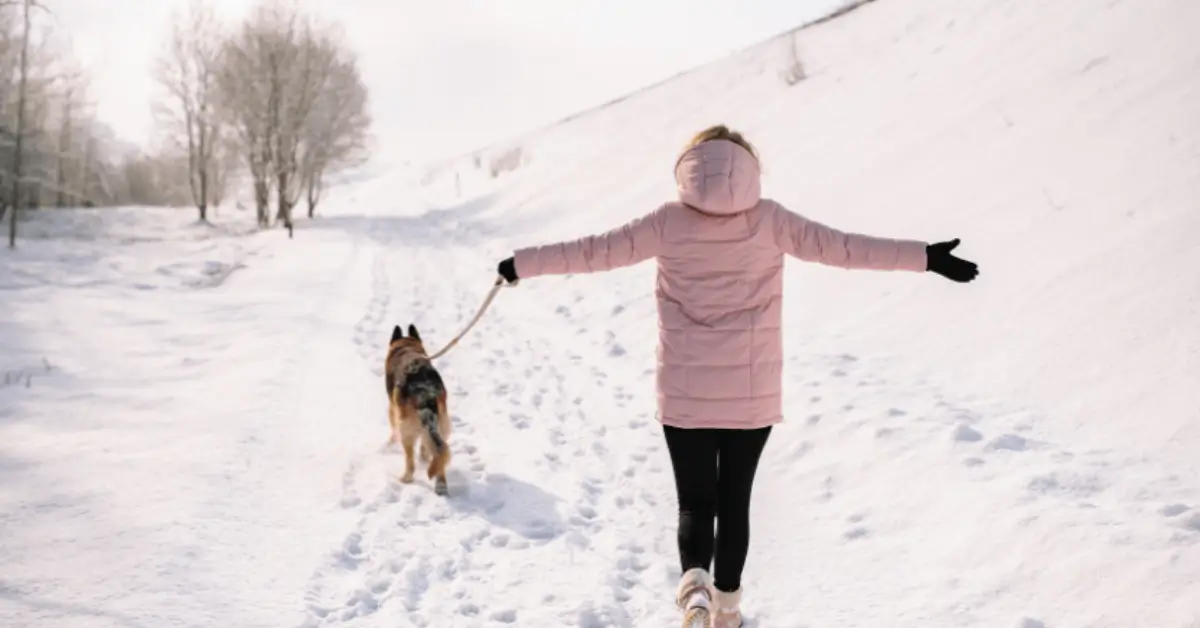
The first snowfall of the year often brings a magical sense of excitement, both for our dogs. Many pups love bounding through fresh powder, snapping at snowflakes, and experiencing the world transformed by a blanket of white. While winter walks can be beautiful, they also come with a unique set of hazards that every owner needs to be aware of.
From freezing temperatures and chemical de-icers to hidden dangers under the snow, the cold season requires extra vigilance. A dog’s natural fur coat isn’t always enough to protect them from the elements, especially in modern urban environments.
Preparing for a winter walk goes beyond just grabbing a leash. It involves understanding your dog’s limits, protecting their vulnerable paws, and ensuring they stay warm and hydrated. This guide will provide essential tips to make sure your winter wonderland adventures are safe, comfortable, and fun for your furry best friend.
Understanding Your Dog’s Cold Tolerance
Not all dogs are built for the cold. A Siberian Husky will happily nap in a snowdrift, while a Greyhound will start shivering the moment they step outside. A dog’s ability to handle cold depends on several factors:
- Coat Type: Dogs with thick, double coats (like Huskies, Malamutes, and Bernese Mountain Dogs) have natural insulation. Short-haired breeds (like Pit Bulls, Boxers, and Greyhounds) have very little protection.
- Size and Body Fat: Smaller dogs and leaner breeds lose body heat much faster than larger, heavier dogs.
- Age and Health: Puppies and senior dogs have a harder time regulating their body temperature. Dogs with medical conditions like arthritis or diabetes are also more susceptible to the cold.
Pay close attention to your dog’s body language. If they are shivering, lifting their paws off the ground, whining, or seem anxious, it is a clear sign that they are too cold and it is time to go inside.
Paw Protection: The First Line of Defense
A dog’s paws are their direct point of contact with the frozen ground, and they are incredibly vulnerable during winter. The two biggest threats are ice and chemical de-icers.
The Danger of De-Icers
The salt and chemicals used to melt ice on sidewalks and roads can be toxic. They can cause chemical burns on your dog’s paw pads, leading to redness, cracking, and painful sores. If your dog licks their paws after a walk, they can ingest these chemicals, which may lead to vomiting, drooling, and internal irritation.
Ice and Snow Buildup
Jagged ice hidden under the snow can easily cut paw pads. Furthermore, snow can clump and freeze between a dog’s toes, forming painful ice balls that make walking difficult and can cause abrasions.
How to Protect Their Paws
- Wipe Paws After Every Walk: This is non-negotiable. Use a warm, damp cloth to wipe down your dog’s paws, legs, and belly after every walk to remove any salt residue.
- Use Paw Balm: Before you head out, apply a layer of protective paw balm. This creates a waxy barrier that helps repel ice and chemicals.
- Invest in Dog Boots: For ultimate protection, nothing beats a good pair of boots. They provide a complete barrier against salt, ice, and sharp objects. Look for boots that are waterproof, have good traction, and fit snugly. High-quality Sovelivee waterproof dog boots are designed to stay on during active play while keeping paws warm and dry.
Dressing for the Weather: Coats and Sweaters
While a dog’s fur provides some insulation, many breeds need an extra layer to stay warm, just like we do. A winter coat is not just a fashion statement; it is a crucial piece of safety equipment.
Does Your Dog Need a Coat?
Consider a coat if your dog:
- Is a small or toy breed.
- Has short, thin fur.
- Is a senior or has a compromised immune system.
- Is a lean breed with low body fat.
A good winter coat should cover the dog’s back from the neck to the base of the tail and also protect their belly. Look for waterproof or water-resistant materials to keep them dry from snow and sleet.
You can find a variety of styles tailored for different needs. For a selection of functional and durable outerwear, explore collections of winter dog gear. Having the right apparel makes a significant difference in your dog’s comfort and safety.
Visibility in Winter Conditions
Winter days are shorter, and walks often happen in the dim light of dawn or dusk. Falling snow or fog can further reduce visibility, making it harder for drivers to see you and your dog.
- Reflective Gear: Choose coats, harnesses, and leashes that have built-in reflective stitching. This will make your dog light up in a car’s headlights.
- LED Lights: For maximum visibility, consider a small LED light that clips onto your dog’s collar. It creates a beacon that can be seen from a distance, even in heavy snowfall.
Hydration is Still Key
We often associate dehydration with hot summer days, but it is just as much of a risk in winter. Dogs can lose a significant amount of moisture through their breath in cold, dry air.
Panting during play in the snow expends energy and water. Always ensure your dog has access to fresh, unfrozen water as soon as you get back from a walk. If you are going on a longer winter hike, bring a water bottle and a collapsible bowl with you.
Avoiding Hidden Dangers
A blanket of snow can hide many hazards. Be mindful of where you let your dog roam off-leash.
- Frozen Water Bodies: Never let your dog run on a frozen pond, lake, or river. The ice can be thinner than it appears, and falling into freezing water can be fatal.
- Antifreeze: Winter is a common time for cars to leak antifreeze, which has a sweet taste that is attractive to dogs. It is extremely toxic. Be vigilant about keeping your dog from drinking from puddles in driveways or on streets.
- Hidden Objects: Snow can cover up sharp rocks, broken glass, or holes in the ground that could injure your dog. Stick to familiar paths where you know the terrain is safe.
Conclusion
Winter walks can be a source of great joy and exercise for you and your dog. The key is to be prepared. By taking a few simple precautions, you can protect your companion from the cold-weather hazards and ensure your snowy adventures are nothing but fun.
Always check your dog’s cold tolerance, protect their paws with balm or boots, and provide an extra layer of clothing when needed. Keep an eye on visibility, hydration, and hidden dangers under the snow. By investing in quality gear and staying vigilant, you can embrace the season safely. If you want to explore a full range of protective equipment, you can see details here to find the perfect winter solutions for your pet.