As global communication networks expand, especially with the growth of 4G and 5G technologies, the demand for reliable and sustainable power solutions has increased significantly. One of the most effective solutions is base station energy storage, combined with advanced systems like the outdoor photovoltaic energy cabinet. These technologies are transforming how telecom infrastructure operates, particularly in remote and off-grid environments.
What is Base Station Energy Storage?
Base station energy storage refers to a compact and intelligent battery system designed to provide uninterrupted power supply to telecom base stations. These systems store energy and deliver it when needed, ensuring continuous operation even during grid failures or unstable power conditions.
Telecommunication networks require 24/7 uptime. Any interruption can lead to service disruptions, dropped calls, and data loss. Energy storage systems address this challenge by acting as a backup power source while also optimizing energy consumption. They are especially useful in regions where electricity supply is inconsistent or unavailable.
Understanding the Outdoor Photovoltaic Energy Cabinet
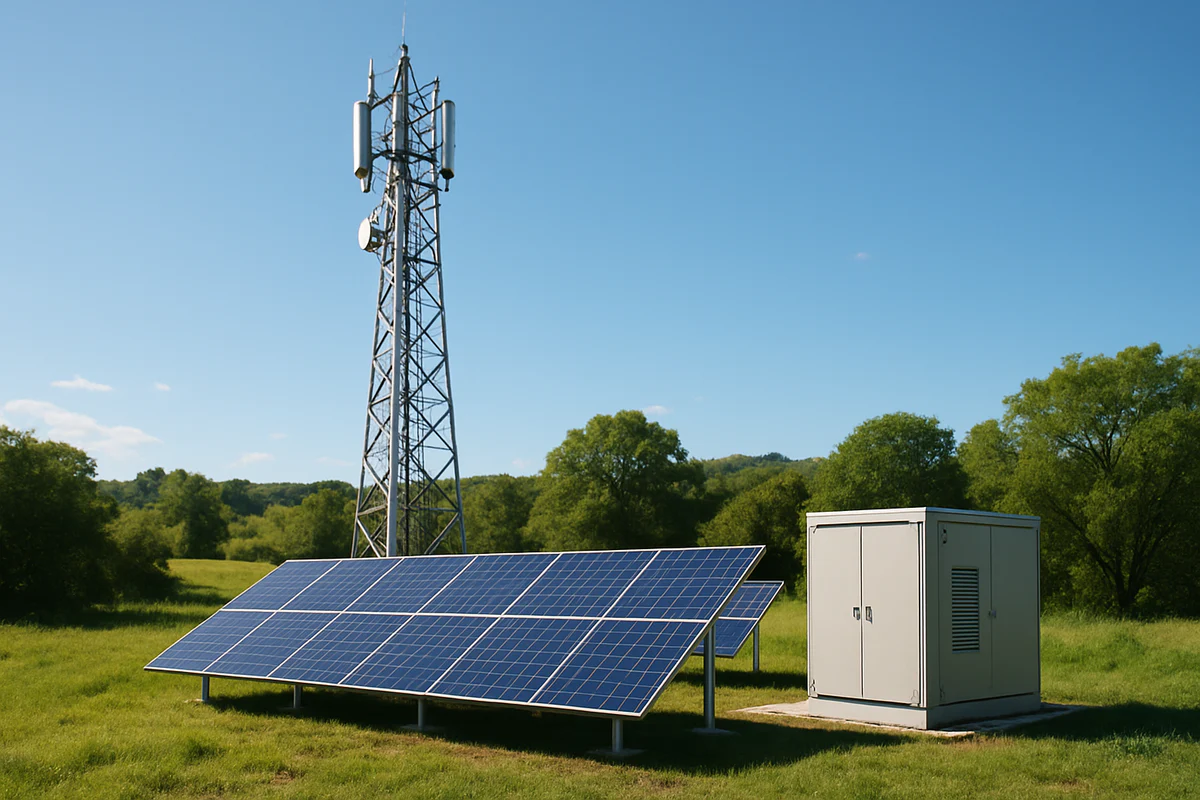
An outdoor photovoltaic energy cabinet is an integrated system that combines solar power generation, battery storage, and intelligent energy management into a single unit. It is designed specifically for outdoor environments and telecom applications.
This cabinet includes key components such as:
- Solar charge controllers
- Lithium battery storage (often LiFePO₄)
- Power conversion systems (inverters)
- Energy Management System (EMS)
All these elements work together to generate, store, and distribute energy efficiently, making the system a complete off-grid or hybrid power solution.
How These Systems Work Together
When base station energy storage is integrated with an outdoor photovoltaic energy cabinet, the result is a highly efficient and self-sustaining power system. During the day, solar panels generate electricity, which is used immediately or stored in batteries. At night or during low sunlight conditions, the stored energy is used to power the base station.
This hybrid approach ensures:
- Continuous power supply
- Reduced dependency on traditional grids
- Lower operational costs
Additionally, these systems can integrate with diesel generators or grid power for added flexibility and reliability.
Key Features and Advantages
1. Weather-Resistant Design
Outdoor photovoltaic energy cabinets are built to withstand harsh environmental conditions. With IP54/IP65 protection ratings, they are resistant to dust, rain, and extreme temperatures.
2. Intelligent Energy Management
Modern systems come with smart EMS platforms that monitor energy generation, battery status, and load consumption in real time. This allows operators to optimize energy usage and detect issues early.
3. Scalable Energy Capacity
These systems can be customized based on power requirements, typically ranging from a few kilowatts to large-scale energy storage capacities.
4. Reduced Operational Costs
By utilizing solar energy and minimizing reliance on diesel generators, telecom operators can significantly cut fuel and maintenance expenses.
5. Eco-Friendly Solution
Solar-powered energy cabinets reduce carbon emissions and promote clean energy adoption, making them a sustainable alternative to traditional power sources.
Applications of Base Station Energy Storage
These solutions are widely used across multiple scenarios, including:
- Remote telecom towers where grid power is unavailable
- Urban microcells requiring compact and efficient energy systems
- Disaster recovery networks ensuring communication during emergencies
- Rural broadband deployment to expand connectivity
Their flexibility makes them suitable for both developing and advanced telecom infrastructures.
Why These Technologies Matter
The combination of base station energy storage and outdoor photovoltaic energy cabinets plays a critical role in modern telecommunications. As networks expand into remote areas, the need for independent and reliable power solutions becomes essential.
These systems not only ensure uninterrupted connectivity but also support the global transition toward renewable energy. By integrating solar power with intelligent storage, telecom operators can achieve higher efficiency, lower costs, and improved sustainability.
Conclusion
Base station energy storage and outdoor photovoltaic energy cabinets are revolutionizing the way telecom networks are powered. They provide a dependable, scalable, and environmentally friendly solution for maintaining uninterrupted communication services.
As the demand for connectivity continues to grow, adopting advanced energy solutions like these will be key to building resilient and future-ready infrastructure. Whether for remote installations or urban deployments, these systems represent the future of telecom energy management.