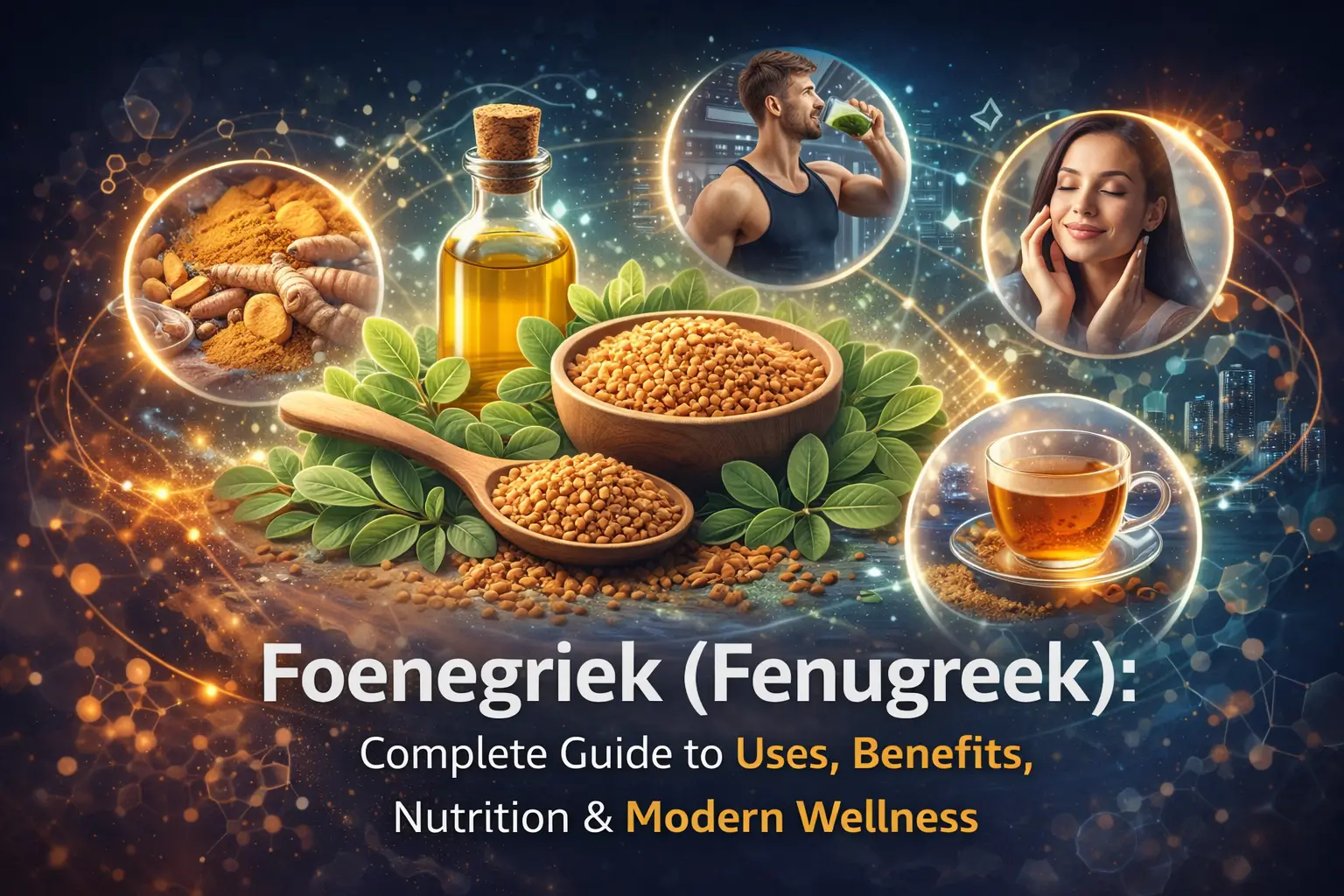
What is Foenegriek?
Foenegriek, scientifically known as Trigonella foenum-graecum, is a nutrient-rich legume belonging to the Fabaceae family. It produces small golden-brown seeds with a slightly bitter, nutty flavor, along with aromatic green leaves widely known as “methi” in South Asia. Both the seeds and leaves are valued across culinary traditions and herbal medicine systems, from Indian curries to European herbal teas.
Foenegriek vs Fenugreek — Are They the Same?
Yes, foenegriek and fenugreek refer to the same plant. “Foenegriek” is the Dutch name, while “fenugreek” is the English term, but both describe the same herb with identical uses, benefits, and nutritional value.
Botanical Overview of Foenegriek
Foenegriek is an annual plant that grows best in warm climates and produces slender pods containing 10–20 seeds. Originally native to Mediterranean regions, it is now widely cultivated in India, Pakistan, Egypt, and parts of Europe due to its adaptability and low water requirements.
History and Cultural Significance
Foenegriek has been used for thousands of years across civilizations. Ancient Egyptians used it in medicine and possibly embalming, while Greek and Roman cultures valued it as both a spice and healing herb. In traditional systems like Ayurveda and Traditional Chinese Medicine, it has long been used to support digestion, metabolism, and vitality, making it a plant deeply rooted in both nutrition and healing traditions.
What Makes Foenegriek Unique?
Foenegriek stands out for its distinctive bitter-nutty seeds and aromatic leaves. The seeds become milder when roasted, while the leaves add an earthy depth to dishes. It offers dual usage through both seeds and leaves, and it contains bioactive compounds such as saponins, flavonoids, alkaloids, and galactomannans that contribute to its health-promoting properties.
Nutritional Profile of Foenegriek
Foenegriek seeds are highly nutrient-dense. Per 100 grams, they provide approximately 323 calories, 23 grams of protein, 58 grams of carbohydrates, 24 grams of fiber, and 6 grams of fat. They are also rich in iron, magnesium, potassium, and essential micronutrients like calcium, phosphorus, copper, and B vitamins, making them a powerful addition to a balanced diet.
Culinary Uses Around the World
Foenegriek is widely used in global cuisines. In India and Pakistan, the seeds are roasted and added to curries, dals, and pickles, while fresh leaves are used in parathas and vegetable dishes. In the Middle East and North Africa, it is used in spice blends and stews. In the Netherlands and other parts of Europe, it is commonly added to herbal teas and breads.
Medicinal Benefits of Foenegriek
Modern research supports many traditional uses of foenegriek. It helps support digestive health due to its high fiber content, which promotes bowel regularity and soothes the gut. It is also studied for its role in managing Type 2 Diabetes, as it can slow carbohydrate absorption and help regulate blood sugar levels. Additionally, it may enhance lactation in nursing mothers, support weight management by increasing satiety, and improve heart health by lowering LDL cholesterol and triglycerides. Its antioxidant and anti-inflammatory compounds help combat oxidative stress, while some evidence suggests it may support hormonal balance and reproductive health.
Beauty, Skin, and Hair Benefits
Foenegriek is widely used in natural beauty care. For hair, it helps strengthen roots, reduce dandruff, and improve shine. For skin, it may soothe irritation, reduce inflammation, and help manage acne due to its antibacterial properties.
How to Use Foenegriek Daily
Foenegriek can be easily incorporated into daily life. You can soak the seeds overnight and consume them in the morning, use powdered seeds in smoothies and meals, brew them into herbal tea, or apply them topically in hair and skin masks mixed with yogurt or water.
Safety, Side Effects, and Precautions
Foenegriek is generally safe when used in food amounts, but caution is needed with higher doses. Pregnant women should avoid excessive intake, and individuals with blood sugar issues should monitor their levels when using it. People allergic to legumes may also experience reactions. Possible side effects include digestive discomfort, low blood sugar, and a maple-like odor in sweat or urine. Clinical studies often use doses between 5–25 grams daily, but consulting a healthcare professional is recommended.
Foenegriek in Modern Wellness
Foenegriek continues to gain popularity in modern health and wellness industries. It is commonly found in herbal supplements, nutraceuticals, protein powders, and wellness teas. Its adaptability and low water requirements also make it an important crop in sustainable agriculture, especially in regions facing climate challenges.
Frequently Asked Questions (FAQs)
Foenegriek is safe for long-term use in moderate amounts as part of a diet, though higher supplemental doses should be monitored. It can be consumed raw, but soaking or roasting improves its taste and digestibility. Research suggests it may help regulate blood sugar levels, particularly in people with diabetes. It can be used daily in curries, teas, or powdered form, and both whole seeds and extracts offer benefits depending on individual health goals.
Conclusion — Why Foenegriek Still Matters Today
Foenegriek is far more than just a traditional herb; it represents a powerful blend of nutrition, flavor, and wellness. Backed by centuries of traditional use and growing scientific research, it remains a valuable addition to both modern diets and holistic health practices. Whether used in cooking or as part of a wellness routine, foenegriek continues to prove its relevance in today’s world.
Read About:- Your Topics Multiple Stories