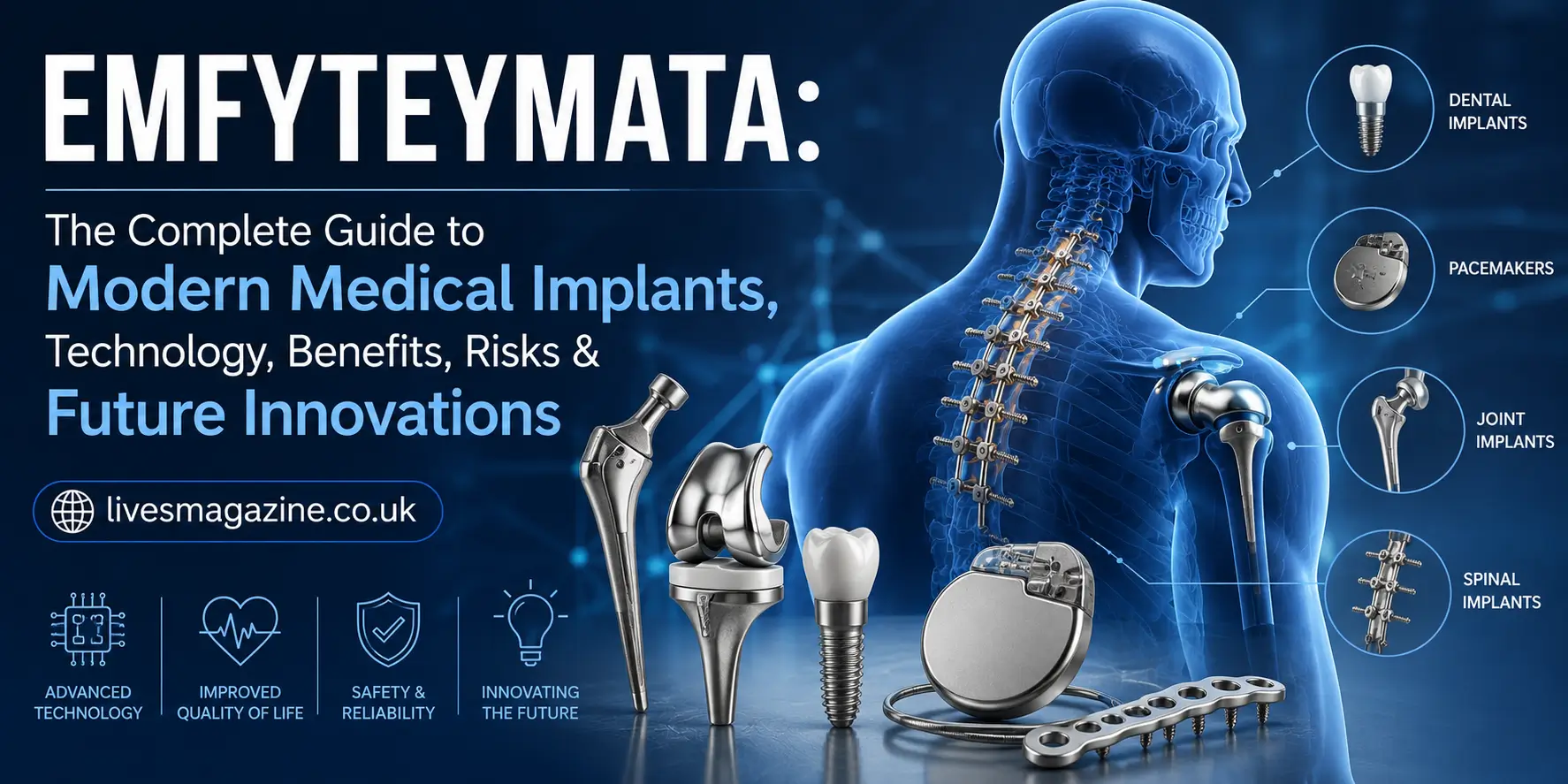
Introduction to Emfyteymata
Modern medicine has transformed dramatically over the past few decades, and one of the most influential innovations in healthcare is the development of medical implants, often referred to in Greek as emfyteymata. These implants play a crucial role in restoring function, improving appearance, and enhancing the quality of life for millions of patients worldwide.
The term “emfyteymata” originates from the Greek word meaning “things implanted” or “objects placed inside.” Historically, it described something planted or embedded within another structure, much like grafting a branch onto a tree. Over time, the concept expanded and today it is widely associated with medical implants used to repair, support, or replace parts of the human body.
From dental implants that restore smiles to orthopedic implants that allow people to walk again, emfyteymata represent a remarkable combination of medical science, engineering, and biological understanding. These devices are surgically inserted into the body to restore normal functions, improve mobility, and sometimes even save lives.
With the rise of advanced materials, digital surgical planning, and robotics, implants are becoming more precise, durable, and personalized than ever before. This comprehensive guide explores everything you need to know about emfyteymata, including their types, benefits, procedures, risks, costs, and future technological developments.
What Are Emfyteymata?
Emfyteymata are artificial devices or materials placed inside the human body to replace, support, or enhance biological structures. These implants can perform functional, therapeutic, or cosmetic roles depending on the medical need.
In simple terms, an implant is something surgically inserted into body tissue to restore normal bodily functions or improve physical appearance.
Examples include:
- Artificial tooth roots
- Hip or knee replacements
- Heart pacemakers
- Cochlear implants
- Breast implants
- Neurostimulators
These devices integrate with the body through a process known as biocompatibility, meaning the materials are designed to interact safely with human tissues.
The primary goals of emfyteymata include:
- Restoring physical function
- Supporting damaged tissues or organs
- Enhancing aesthetics
- Improving long-term health outcomes
As medical technology advances, implants are becoming more sophisticated, offering longer lifespans and improved compatibility with the human body.
History and Evolution of Medical Implants
The concept of implants is not new. Evidence suggests that early civilizations experimented with artificial replacements for missing body parts.
Ancient Attempts
Archaeological findings reveal that ancient Egyptians and Mayans used primitive dental replacements, sometimes made of shells or stones.
However, these early attempts were limited due to a lack of knowledge about infection control and material compatibility.
20th Century Medical Breakthroughs
The modern era of implants began in the mid-20th century when researchers discovered that certain metals could safely integrate with bone.
One of the most significant discoveries was the use of Titanium, which naturally bonds with bone through a process called osseointegration.
This breakthrough revolutionized implantology and made dental and orthopedic implants far more reliable.
Modern Implant Technology
Today’s implants are created using advanced technologies such as:
- 3D digital modeling
- robotic surgery
- computer-guided placement
- biocompatible materials
These innovations allow surgeons to perform procedures with incredible precision, leading to better outcomes and faster recovery times.
Types of Emfyteymata
Medical implants come in many forms depending on their purpose. Below are the most common categories.
Dental Implants
Dental implants are among the most widely used emfyteymata in modern medicine.
These implants replace the root of a missing tooth with a titanium post placed inside the jawbone. A crown is then attached to restore the appearance and function of the tooth.
Benefits include:
- Improved chewing ability
- Natural appearance
- Preservation of jawbone structure
Dental implants can last 20 years or more with proper care, making them one of the most durable dental solutions.
Orthopedic Implants
Orthopedic implants are used to support bones and joints.
Common examples include:
- Hip replacements
- Knee replacements
- spinal rods
- bone plates and screws
These implants help patients regain mobility after injuries, arthritis, or degenerative diseases.
Millions of orthopedic procedures are performed worldwide every year, allowing individuals to return to active lifestyles.
Cosmetic Implants
Cosmetic implants are designed to improve physical appearance or reconstruct body structures.
Examples include:
- Breast implants
- Chin implants
- cheek implants
- calf implants
These implants are widely used in reconstructive surgery following injuries, cancer treatment, or congenital conditions.
Cardiovascular Implants
Cardiovascular implants help regulate heart function and blood circulation.
Examples include:
- pacemakers
- artificial heart valves
- stents
- defibrillators
These devices are often life-saving and can significantly extend life expectancy for patients with heart disease.
Neurological Implants
Neurological implants interact directly with the nervous system.
Examples include:
- cochlear implants for hearing loss
- deep brain stimulators for Parkinson’s disease
- spinal cord stimulators for chronic pain
These technologies represent one of the fastest-growing fields in medical innovation.
Materials Used in Emfyteymata
The success of implants depends heavily on the materials used to create them.
Titanium
Titanium is the most widely used implant material because it is:
- lightweight
- corrosion-resistant
- highly biocompatible
It integrates with bone naturally and rarely causes rejection.
Zirconia
Zirconia is often used in dental implants as an alternative to metal.
Benefits include:
- natural tooth color
- high strength
- metal-free structure
Medical-grade Silicone
Silicone is commonly used in cosmetic implants because it is flexible and closely resembles natural tissue.
It is especially popular in breast implants and facial reconstruction procedures.
Polymers and Hybrid Materials
Modern implants also incorporate advanced polymers and composite materials that improve durability while reducing weight.
These materials allow implants to mimic natural tissues more effectively.
How the Emfyteymata Procedure Works
Implant procedures follow several key steps.
Medical Evaluation
Doctors begin by evaluating the patient’s health, bone density, and medical history.
Diagnostic tools may include:
- X-rays
- CT scans
- digital imaging
Digital Planning
Many modern procedures rely on computer-guided surgical planning to determine the exact placement of the implant.
Implant Placement Surgery
During surgery, the implant is carefully inserted into the target area.
For example:
- dental implants are placed in the jawbone
- orthopedic implants are attached to bones
- cardiovascular implants are inserted through specialized procedures
Healing and Integration
After placement, the implant undergoes biological integration with surrounding tissues.
This process may take several weeks or months depending on the implant type.
Technologies Used in Modern Implant Procedures
Modern implantology relies heavily on advanced medical technologies.
3D Imaging
3D imaging allows surgeons to visualize patient anatomy in detail before surgery.
CAD/CAM Modeling
Computer-aided design helps create highly precise implants tailored to individual patients.
Robotic-Assisted Surgery
Robotic systems assist surgeons with extremely precise movements, reducing human error and improving accuracy.
Benefits of Emfyteymata
Medical implants provide numerous advantages:
Restored Physical Function
Implants allow patients to regain abilities such as walking, chewing, or hearing.
Long-Term Durability
Many implants last decades, reducing the need for repeated surgeries.
Improved Appearance
Cosmetic implants help restore confidence and self-image.
Better Quality of Life
Patients often report significant improvements in independence and daily comfort.
Risks and Possible Complications
While implants are generally safe, certain risks exist.
Potential complications include:
- infection
- implant failure
- nerve damage
- inflammation
These risks can usually be minimized through proper surgical techniques and post-operative care.
Recovery and Aftercare
Recovery time varies depending on the implant type.
Typical recovery recommendations include:
- rest during early healing stages
- following prescribed medications
- maintaining hygiene and wound care
- attending regular follow-up appointments
Dental implants, for example, require strict oral hygiene to prevent infections.
Cost of Emfyteymata and Accessibility
Implant costs vary widely depending on the procedure.
Typical cost ranges:
- dental implants: $1,500 – $5,000 per tooth
- joint replacement: $20,000 – $40,000
- pacemakers: $10,000 – $50,000
Healthcare systems, insurance coverage, and regional availability can significantly affect these costs.
Despite their price, implants often provide long-term value by reducing future medical expenses.
Personalized Medicine and Custom Implants
One of the most exciting developments in implant technology is personalized medicine.
Doctors can now design implants tailored to each patient’s anatomy using digital scanning and 3D printing.
Benefits include:
- better comfort
- improved performance
- reduced risk of complications
Customized implants represent the future of patient-centered healthcare.
Future of Emfyteymata Technology
The next generation of implants will likely include smart technologies.
Smart Implants
Smart implants may contain sensors that monitor body functions in real time.
Bioengineered Implants
Researchers are exploring implants made from living tissue or regenerative materials.
These implants may eventually grow with the body and repair themselves.
AI-Driven Surgical Planning
Using Artificial Intelligence, doctors can analyze patient data to predict surgical outcomes and improve accuracy.
Advances in regenerative medicine may also allow implants to stimulate natural tissue regeneration.
Frequently Asked Questions
What does emfyteymata mean?
It is a Greek term meaning “things implanted,” referring to devices or materials inserted into the body to support or replace biological functions.
Are implants safe?
Yes, most modern implants are extremely safe due to advanced materials and surgical techniques.
How long do implants last?
Many implants last 10–30 years or more, depending on the type and patient care.
Who is a good candidate for implants?
People with good overall health and sufficient tissue or bone support are typically suitable candidates.
Expert Tips for Successful Implant Outcomes
To ensure long-term success:
- choose experienced medical professionals
- follow all post-surgery instructions
- maintain hygiene and routine checkups
- avoid excessive stress on implants
These steps significantly increase implant longevity.
Conclusion
Emfyteymata represent one of the most remarkable achievements in modern medicine. From dental implants that restore smiles to advanced neurological devices that help manage chronic diseases, implants continue to transform healthcare.
Thanks to innovations in materials science, digital technology, and personalized medicine, implants are becoming safer, more effective, and more accessible than ever before.
As research continues and technologies such as artificial intelligence and regenerative medicine evolve, the future of emfyteymata promises even greater breakthroughs—offering millions of people worldwide the opportunity to live healthier, more independent lives.
Read Also:- Fryer Explained (2026)