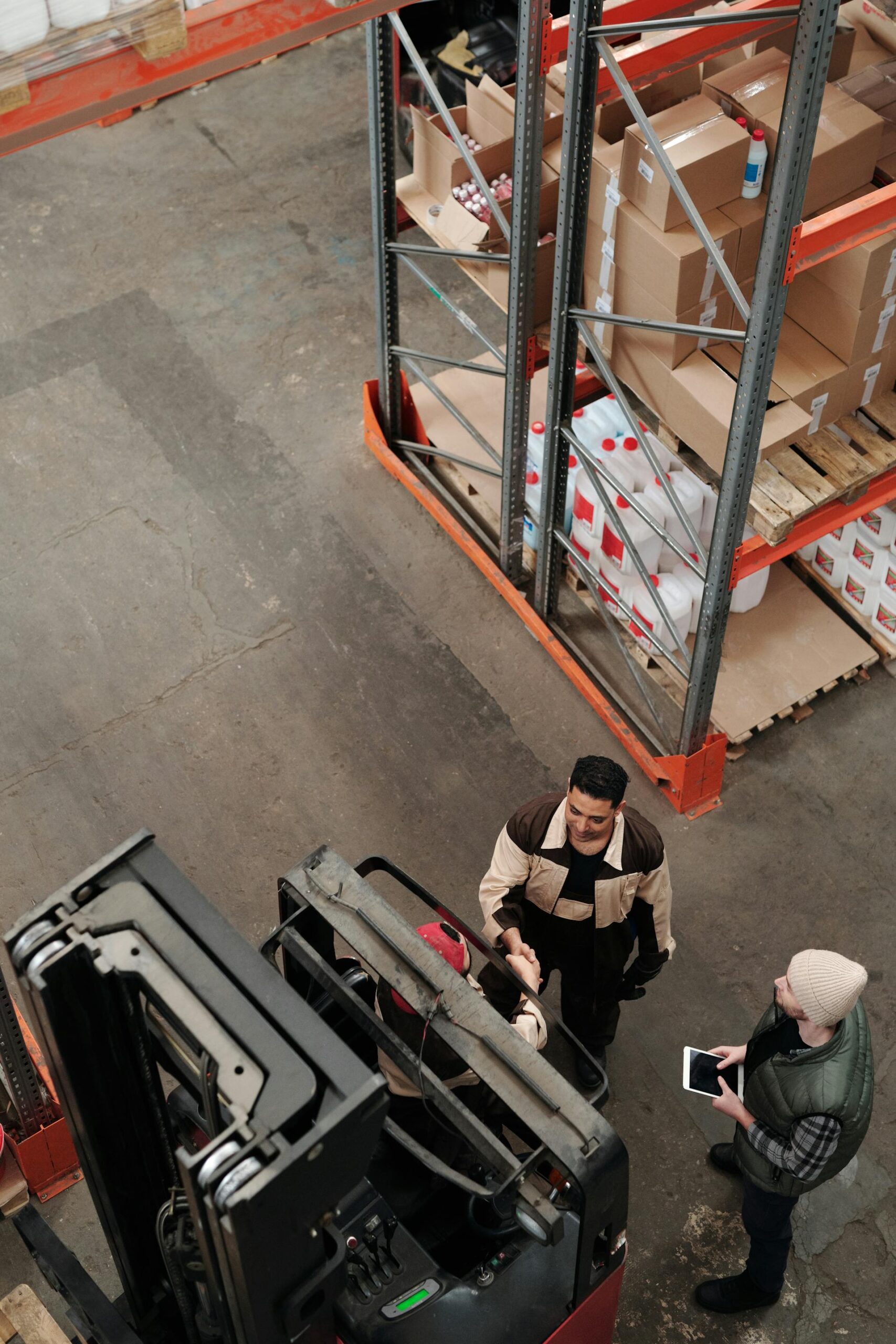
Most warehouses never make the news, and that is usually a good sign. When products arrive where they should, stock levels are accurate, and customers receive orders on time, warehouse operations stay largely invisible. The trouble is that many of the biggest business risks develop in places that attract the least attention.
A missed safety check. A temperature log that wasn’t completed. Stock that sits unnoticed for too long. A delivery that leaves with the wrong products. None of these sounds particularly like major issues on their own. Yet they can trigger problems that are expensive, disruptive, and sometimes legal in nature.
For businesses handling food, retail goods, medicines, or industrial products, warehouse management has become about much more than finding space to store inventory.
Problems Often Start Small
When a serious incident occurs, there is usually a pull to look for one obvious cause. In reality, problems inside warehouses tend to build gradually.
Despite being scheduled for repair; a damaged rack is still in use. Employees are adjusting a layout that is no longer appropriate for the amount of inventory arriving. Procedures that were implemented temporarily at a busy time eventually become permanent. These minor adjustments eventually create an atmosphere where errors are more prone to occur.
Many warehouse accidents start with everyday issues such as blocked walkways, poor visibility, overcrowded spaces, or missed training. Once someone gets hurt, those small oversights suddenly become serious questions about safety and responsibility. According to the Health and Safety Executive, slips, trips, falls, manual handling injuries, and vehicle-related incidents remain some of the most common workplace risks.
Food Safety Risks Don’t Always Look Like Risks
Food warehouses face an additional challenge because many problems cannot be spotted immediately. A damaged box is easy to identify. A temperature issue affecting product quality is often much harder to detect.
Food may appear perfectly fine while no longer meeting required standards. That is why businesses handling food products spend so much time monitoring storage conditions, recording temperatures, rotating stock, and maintaining hygiene standards.
Something as routine as leaving products in the wrong area for a few hours can have wider consequences than many people realise. The financial cost of a recall is one concern. The loss of customer trust is another. Rebuilding confidence after a food safety issue can take far longer than fixing the original problem.
Cold Storage Leaves Little Margin for Error
Cold storage facilities operate under constant pressure to keep conditions stable. Whether the products are frozen foods, dairy items, medicines, or healthcare supplies, temperature control is not optional. It is often a regulatory requirement.
The challenge is that refrigeration failures are not always the major problem. Sometimes a unit underperforms rather than completely shutting down. Sometimes the issue is discovered hours later during a routine check. By that point, businesses may face difficult decisions. Can the products still be used? Do they need further testing? Is disposal the only safe option? The uncertainty alone can create significant operational and legal complications.
Expired Stock Is Usually a Symptom
Expired inventory is often treated as the problem itself, but it is usually a sign of something else. Perhaps stock records are inaccurate. Perhaps products are being moved without being logged correctly. Perhaps inventory visibility is poor. Whatever the cause, products rarely become obsolete or expire overnight.
Many warehouse managers have experienced the frustration of discovering old stock hidden behind newer deliveries or finding inventory that exists physically but not on system records. These situations create obvious financial losses, but they can also create compliance concerns in regulated industries.
Supply Chain Issues Can Begin Inside the Building
When deliveries are late, attention often turns to traffic, shipping delays, or supplier problems. Yet some delays start much earlier.
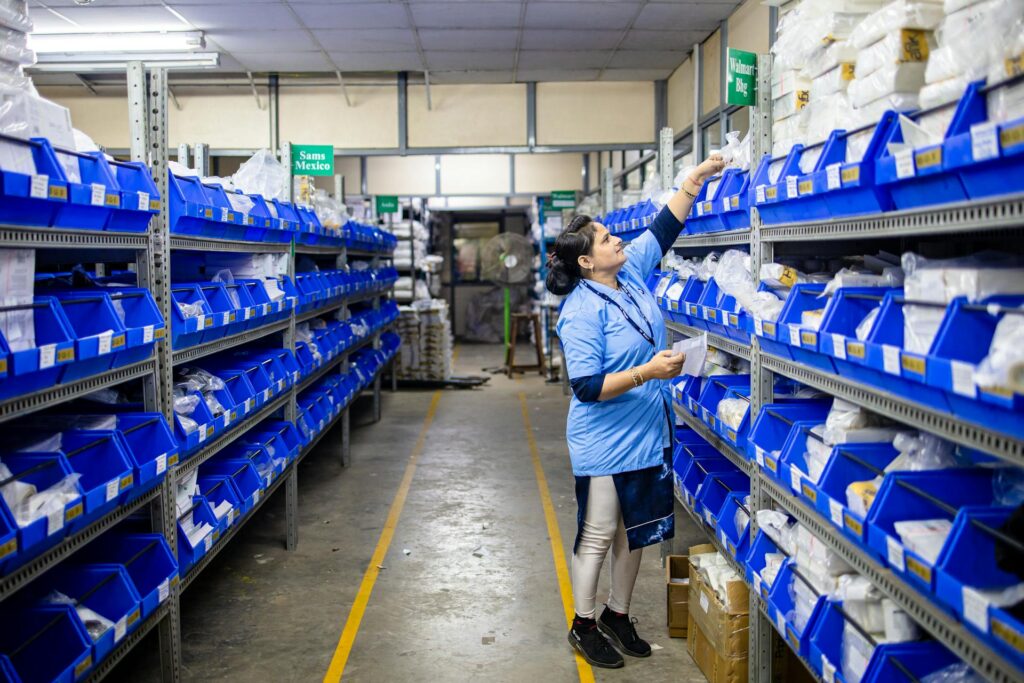
A picker cannot locate stock. Inventory records show products that are no longer available. Damaged items are discovered just before dispatch. Orders need to be rechecked because quantities do not match.
Customers rarely see these internal challenges. From their perspective, the order simply arrived late. In competitive markets, repeated delays can damage relationships faster than many businesses expect.
The Details Matter
Good warehouse management is often about details that seem unremarkable at first glance. Storage layouts. Cleaning schedules. Maintenance checks. Product labelling. Inventory tracking. Equipment selection. In sectors where hygiene is especially important, many facilities have moved towards solutions such as plastic pallets because they are easier to clean and better suited to environments where moisture control matters.
No single decision removes risk completely. However, a series of sensible decisions can significantly reduce the chances of larger problems developing later.
More Than a Place to Store Goods
A warehouse is often thought of as a facility or building that holds products that are ready to be sent. The truth is more complex. Protecting product quality, testing safety protocols, upholding compliance requirements, and meeting or exceeding customer expectations are all done at a warehouse.
Few people notice when everything functions as it should. When it doesn’t, the repercussions frequently extend well beyond the warehouse. Issues that formerly appeared too little to be concerned about often lead to legal claims, regulatory attention, strained consumer relationships, and financial losses. That is why effective warehouse management is not simply an operational concern. It is a business risk issue, and one that becomes harder to fix the longer it is ignored.