
The idea that changing someone’s life requires a large bank balance is surprisingly common. In reality, many people can probably trace an important turning point in their lives back to something much smaller.
A former colleague making a useful introduction. A teacher offering encouragement at exactly the right time. A neighbour helping out during an unexpected family emergency. Years later, the details may fade, but the feeling of being supported often remains. That is the interesting thing about positive impact. The actions that leave the deepest mark are not always the most expensive. Sometimes they barely cost anything at all.
The Value Hidden in Everyday Experience
There is a tendency to place expertise on a pedestal. Qualifications matter. Professional knowledge matters. But life experience has value too.
A person who has been looking for a job for months has a deeper understanding of the emotional impact of rejection than career counsellors can. A person who has launched a firm is aware of the faults that should be avoided. A parent who has dealt with exam stress, childcare issues, or school admissions may provide useful advice that may spare another family a great lot of worry.
Experience-based information frequently seems too familiar to teach or convey. It eventually becomes a part of everyday life. However, it is precisely this familiarity that makes it beneficial. Many individuals recall a piece of advice that altered their viewpoint, not because it was perceptive or thoughtful, but rather because it came at the ideal time.
Supporting the Things That Make a Place Feel Like Home
Behind every strong community are organisations quietly bringing people together and offering support where it is needed most. Many rely not just on funding, but on people showing up, getting involved and helping raise awareness. Whether through volunteering, attending local events or sharing information online, even small efforts can help these initiatives thrive.
The Second Life of Everyday Items
The majority of households have objects that are no longer in use, such as books gathering dust on a shelf, garments hidden at the back of a wardrobe, or household goods that have been quietly forgotten. In many cases, what appears unnecessary in one home might be helpful to another.
To help people and families that are struggling financially, a lot of charities and community groups rely on donations of basic necessities. By giving perfectly helpful items a second chance at life, passing on unwanted possessions not only benefits others but also lowers waste.
Social Media Is What People Make of It
Online presence is becoming more and more important for volunteer organisations, local charities, and community fundraisers.
These groups and organisations increasingly depend on online visibility. A campaign shared by one person may reach hundreds more. A request for volunteers can find support within hours. Important local information can travel much further than traditional noticeboards ever allowed. No social media post changes a community overnight. What it can do is connect people with opportunities to help. Very often, that first connection is enough to get things moving.
Why Small Contributions Deserve More Credit
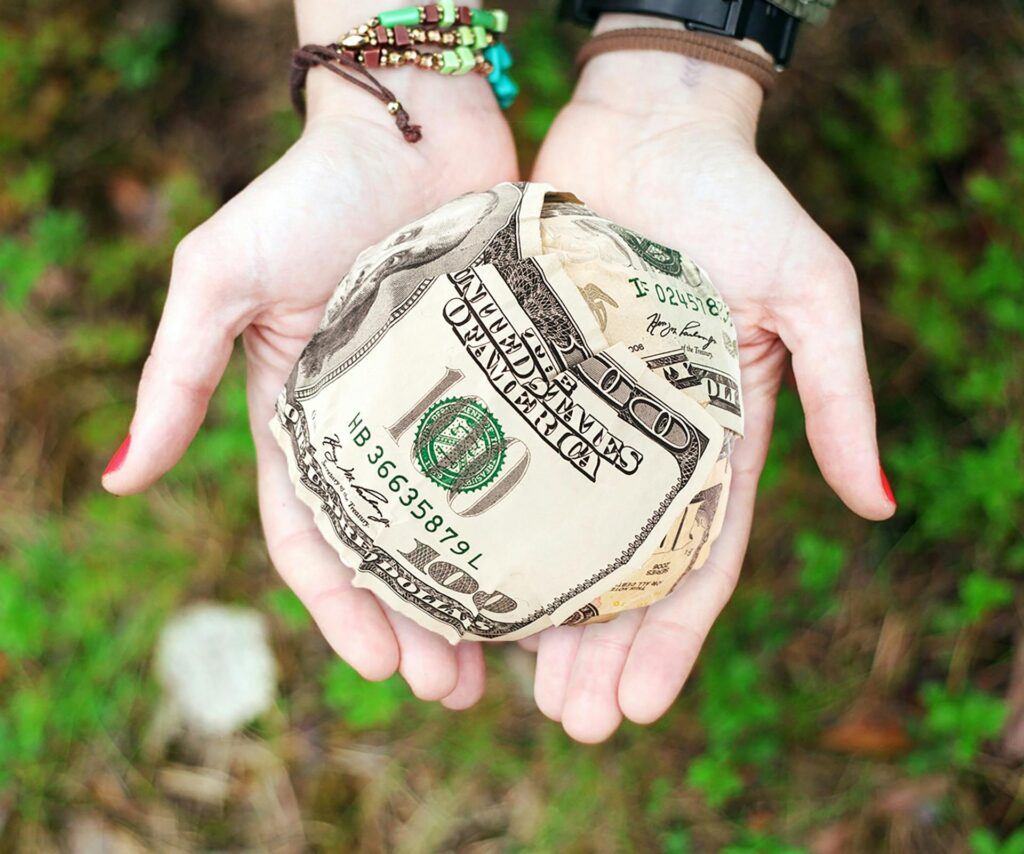
It’s a common misperception that giving becomes meaningful only when the quantity seems substantial. But when you ask a lot of charity, a different image comes to light.
Compared to occasional huge donations, regular assistance frequently offers more stability. Organisations can plan ahead, sustain services, and react more skilfully as demand rises when they know that resources will continue to arrive next month.
This principle appears across many cultures and charitable traditions. In Islam, for example, sadaqah refers to voluntary giving intended to help those in need. The concept highlights something simple but important: kindness is not always measured by scale. Consistency counts too.
Many worthwhile outcomes are built through small contributions repeated over long periods rather than big one-off gestures.
Give Time Where It Matters
Time has become one of the scarcest resources people possess. Work commitments, family responsibilities and daily obligations leave little room for much else. That is precisely why giving time can be so valuable.
A few hours helping at a local event. Supporting a charity fundraiser. Coaching young athletes. Visiting an elderly neighbour who rarely receives visitors. These actions do not produce dramatic before-and-after stories. Their impact is often quieter than that. People feel less isolated. Communities become more connected. Organisations gain support they would otherwise struggle to find.
The Contributions Nobody Tracks
Some forms of generosity never appear in reports or statistics. The recommendation that leads to employment. The conversation that restores confidence after a setback. The neighbour who notices someone is struggling and checks in regularly. The volunteer who quietly gives a few hours every month without expecting recognition.
There is no scoreboard for these actions. Most happen without publicity. Many go unnoticed by everyone except the person receiving help. Yet communities are built from exactly these kinds of interactions. Making a positive impact rarely requires extraordinary wealth or influence. More often, it comes from paying attention, responding to a need and offering whatever support is available. The gesture may seem small in the moment. For somebody else, it may become one of the things they remember years later.