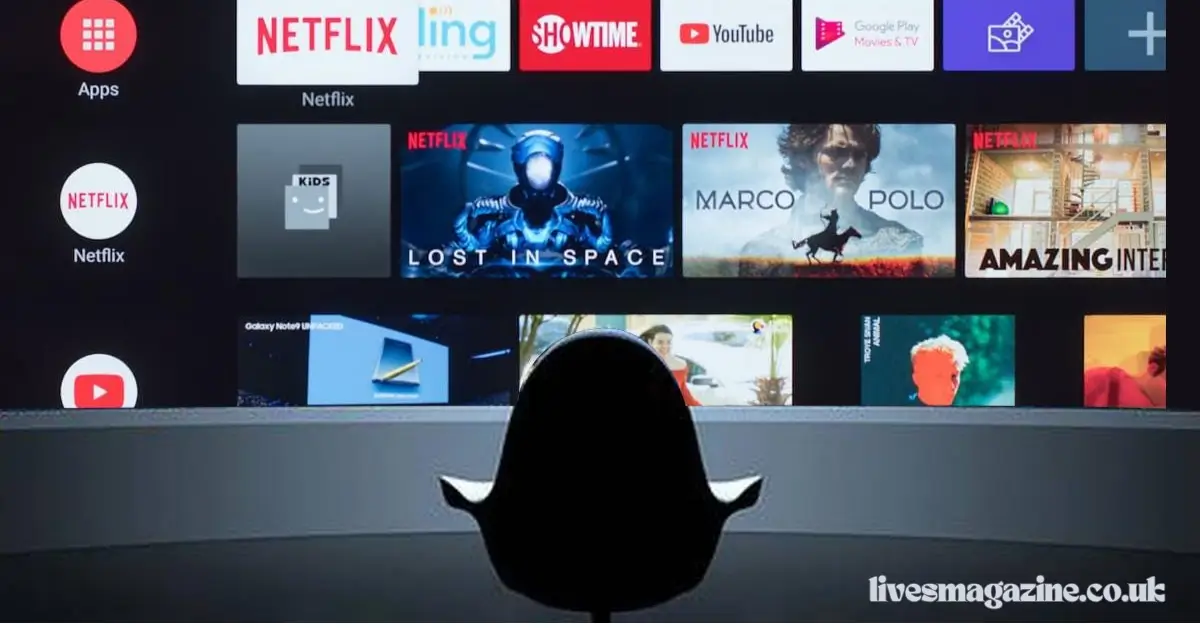
In the digital age, entertainment has transcended traditional boundaries, evolving from scheduled television broadcasts and cinema visits to on-demand access available at our fingertips. Online platforms have revolutionized how we engage with media, offering vast libraries of content tailored to individual preferences through sophisticated algorithms. This shift began accelerating in the early 2000s with the rise of broadband internet, enabling seamless streaming and interactive experiences. Today, platforms like Netflix, YouTube, and TikTok dominate daily routines, influencing not just what we watch but how we discover, consume, and even create content. According to industry reports, global entertainment revenues are projected to reach $3.5 trillion by 2029, driven by streaming, gaming, and social media. This transformation affects cultural trends, social interactions, and economic models, as consumers move toward personalized, immersive experiences. As we explore this topic, we’ll examine key aspects such as streaming services, social media, gaming, and emerging global access, highlighting how these platforms redefine consumption habits.
The Rise of Streaming Services
Streaming services have fundamentally altered the entertainment landscape by providing flexibility and variety that traditional media could never match. No longer bound by fixed schedules, viewers can access content anytime, anywhere, fostering a culture of convenience. This evolution has led to the decline of cable TV subscriptions, with younger audiences preferring subscription video-on-demand (SVOD) options. Platforms invest heavily in original productions, creating exclusive content to retain subscribers and shape viewing trends toward serialized storytelling.
Personalized Recommendations and Algorithmic Curation
One of the most significant ways online platforms influence consumption is through data-driven personalization. Algorithms analyze viewing history, ratings, and even pause patterns to suggest content, keeping users engaged longer. This curation not only enhances user satisfaction but also introduces diverse genres, expanding tastes beyond mainstream offerings. For instance, niche documentaries or international series gain visibility, promoting cultural exchange. However, this can create echo chambers, where users are funneled into similar content, potentially limiting exposure to new ideas.
The Binge-Watching Phenomenon
Binge-watching, the practice of consuming multiple episodes in one sitting, emerged as a direct result of on-demand platforms releasing entire seasons at once. This habit has reshaped narrative structures, with creators designing stories for continuous viewing rather than weekly cliffhangers. Studies show that this model increases viewer retention but can lead to fatigue, prompting platforms to experiment with hybrid release strategies. Overall, it reflects a broader trend toward immersive, uninterrupted experiences in digital entertainment.
The convenience of watching HD movies online has become a staple of modern streaming habits. Sites like 123movies offer extensive libraries of films and TV shows, allowing users to explore high-quality content without traditional barriers. This accessibility encourages spontaneous viewing sessions, influencing how audiences prioritize convenience over scheduled programming and contributing to the fragmentation of attention spans.
Social Media’s Influence on Content Discovery
Social media platforms have become central hubs for entertainment, blending consumption with interaction. They amplify user-generated content, turning passive viewers into active participants. Short-form videos on apps like TikTok dominate, with algorithms prioritizing engaging clips that drive viral trends. This format suits fast-paced lifestyles, where quick entertainment fits between daily tasks, reshaping expectations for content length and immediacy.
Short-Form Video and Viral Trends
The rise of short-form content has democratized creation, enabling anyone to produce and share videos that can reach millions overnight. Viral challenges and memes often cross over to mainstream media, influencing TV shows and music releases. This interactivity fosters community, as users remix and respond to content, extending its lifespan. Consequently, entertainment consumption becomes more social, with recommendations stemming from peers rather than critics.
Social media’s impact extends to how entertainment projects gain traction, with platforms serving as marketing tools that build buzz through fan discussions and influencer endorsements. This shift empowers creators and audiences alike, making discovery more organic and less reliant on traditional advertising.
Gaming Platforms and Interactive Entertainment
Gaming has evolved from a niche hobby to a mainstream entertainment force, blending storytelling, competition, and social elements. Online platforms enable multiplayer experiences that transcend geographical limits, shaping consumption toward interactive rather than passive formats. With over 3.6 billion gamers worldwide, this sector influences broader media trends, including crossovers with films and music.
The Social Aspect of Gaming
Modern gaming emphasizes community, with platforms hosting live streams and discussions that extend playtime into social events. This interactivity builds loyalty, as players invest in virtual worlds and relationships. Cloud gaming further democratizes access, allowing high-quality experiences on various devices without expensive hardware.
Online games often thrive through dedicated communities where enthusiasts share strategies and experiences. For example, f95zone serves as a hub for game discussions and interactive entertainment, connecting users interested in various titles and alternatives. Such spaces enhance engagement, turning solitary play into collaborative adventures and influencing how gamers consume related content.
Accessibility to Global Cinema
Online platforms have broken down barriers to international content, making diverse cinema available to global audiences. This accessibility promotes cultural understanding, as viewers explore films from different regions without travel or language constraints. Streaming services curate international selections, but specialized sites fill gaps for specific genres.
The blend of Bollywood and Hollywood movies highlights how platforms cater to varied tastes, offering regional and international cinema in one place. Movierulz provides options for enthusiasts seeking both Indian blockbusters and Western hits, facilitating cross-cultural viewing habits that enrich personal entertainment libraries.
This trend encourages hybrid consumption, where users mix local favorites with global trends, fostering a more inclusive entertainment ecosystem.
Informational Resources in Digital Entertainment
Beyond pure entertainment, online platforms offer educational value through reviews and guides that inform consumption choices. These resources help users navigate the overwhelming array of options, providing insights into trends and recommendations.
KulFiy stands out as an online platform dedicated to articles, reviews, guides, and trending digital topics. It covers a wide range of subjects, from technology advancements to entertainment analyses, helping readers stay informed about the latest developments in the digital space. Whether exploring new apps, understanding streaming innovations, or discovering alternative entertainment options, KulFiy provides valuable, well-researched content that empowers users to make educated decisions. This type of platform bridges the gap between casual browsing and in-depth knowledge, enhancing overall content consumption by adding context and depth to everyday digital interactions. With its focus on quality and relevance, it serves as a go-to resource for those keen on exploring the evolving world of online entertainment.
Challenges and Future Directions
While online platforms enhance accessibility, they also pose challenges like content overload and privacy concerns. Algorithms, though efficient, raise questions about data usage and bias. Looking ahead, emerging technologies such as AI and virtual reality promise more immersive experiences, with trends pointing toward generative content and metaverse integrations.
Embracing Immersive Technologies
Future entertainment will likely feature augmented reality overlays and interactive narratives, blurring lines between gaming, streaming, and social media. This convergence could redefine consumption as participatory, with users co-creating stories.
In conclusion, online entertainment platforms have profoundly shaped content consumption by prioritizing personalization, interactivity, and global access. From binge-watching on streaming services to viral shorts on social media and collaborative gaming, these tools adapt to user needs while driving innovation. As trends evolve toward AI-driven authenticity and immersive formats, consumers will enjoy more tailored experiences, though balancing choice with curation remains key. Ultimately, this digital shift empowers individuals, fostering a dynamic entertainment landscape that continues to grow and adapt.
Read More : Kellogg Innovation Network: Driving Global Business Success Through Technology, Research, and Collaboration