Introduction — Why Acryldach Is the Future of Modern Roofing
Acryldach (from German Acryl + Dach) refers to roofing systems built with acrylic sheets — typically PMMA (polymethyl methacrylate). These panels deliver glass-like clarity with a fraction of the weight, good UV stability, and design flexibility that architects and homeowners increasingly want. As buildings chase daylight, energy efficiency, and lightweight structures that reduce framing costs, acryldach systems are moving from niche use (greenhouses, pergolas) into mainstream architectural applications.
This guide gives you everything you need to decide whether acryldach is right for your project: how it performs, where it’s best used, how to install and maintain it, realistic cost expectations, and how it stacks up against glass and polycarbonate.
What Is Acryldach?
Acryldach is a roofing system made from acrylic (PMMA) panels or sheets. PMMA is a thermoplastic known for excellent optical clarity, weather resistance, and dimensional stability for many building uses. Acryldach panels are manufactured in flat, corrugated, and multi-wall formats and are often supplied with UV-stable coatings or anti-scratch treatments for longer life.
Key material advantages of PMMA include very high light transmission (comparable to glass), lightweight construction (roughly half the weight of glass), and good surface gloss and clarity — attributes that make acryldach especially valuable where daylighting and visual quality matter. Acrylic typically transmits up to ~92% of visible light, making it one of the clearest plastics available.
Key Features of Acryldach Roofing
UV & Weather Resistance
High-quality acryldach panels are manufactured with UV-stable formulations or coated to prevent yellowing and surface degradation. This protects clarity and reduces long-term maintenance.
Lightweight & Impact Performance
Acrylic is significantly lighter than glass, reducing structural load and allowing simpler framing systems. While acrylic is more impact resistant than ordinary glass (up to 6–17× depending on source), it is generally less impact-resistant than polycarbonate, which is often many times stronger in impact tests. For areas prone to heavy hail or ballistic impact, polycarbonate may be preferred.
Light Transmission & Aesthetics
Acrylic panels provide exceptional clarity and color fidelity. Their light transmission (often above 90%) makes them ideal for spaces that need daylight without the weight penalty of glass.
Thermal & Acoustic Behavior
Single acrylic sheets have moderate insulation performance compared with multi-wall panels or insulated roofing; for energy-sensitive applications, multi-wall acrylic or paired systems with additional insulation are recommended. Acrylic naturally dampens sound better than thin glass but less effectively than specialized acoustic materials.
Formability & Design Flexibility
PMMA can be cut, routed, heated and bent to create curved roofs, skylights, or artistic facades, giving designers creative freedom.
Benefits of Acryldach Roofing Systems
1. Energy Efficiency & Daylighting
Acryldach panels allow abundant natural light, cutting artificial lighting needs during daytime and improving occupant comfort. Good daylight management paired with solar-control coatings can reduce energy use in many climates.
2. Durability & Low Maintenance
When using UV-stable, quality panels, acryldach offers long service life with minimal maintenance — periodic cleaning and seal checks are usually sufficient. Some manufacturers rate well-installed acrylic roofs to last 15–30 years depending on climate and exposure.
3. Lightweight Installation & Cost Savings on Structure
Because PMMA is far lighter than glass, your supporting structure can be lighter, which reduces material and labor costs on frames and foundations.
4. Aesthetic Versatility
Available in clear, tinted, frosted, and patterned finishes, acryldach can meet diverse design intents from near-invisible skylights to decorative translucent façades.
5. Recyclability & Lower VOC Concerns
Acrylic is recyclable in many regions (check local recycling rules), and unlike some solvent-based coatings, properly manufactured acrylic panels don’t themselves off-gas VOCs in service.
Popular Applications of Acryldach
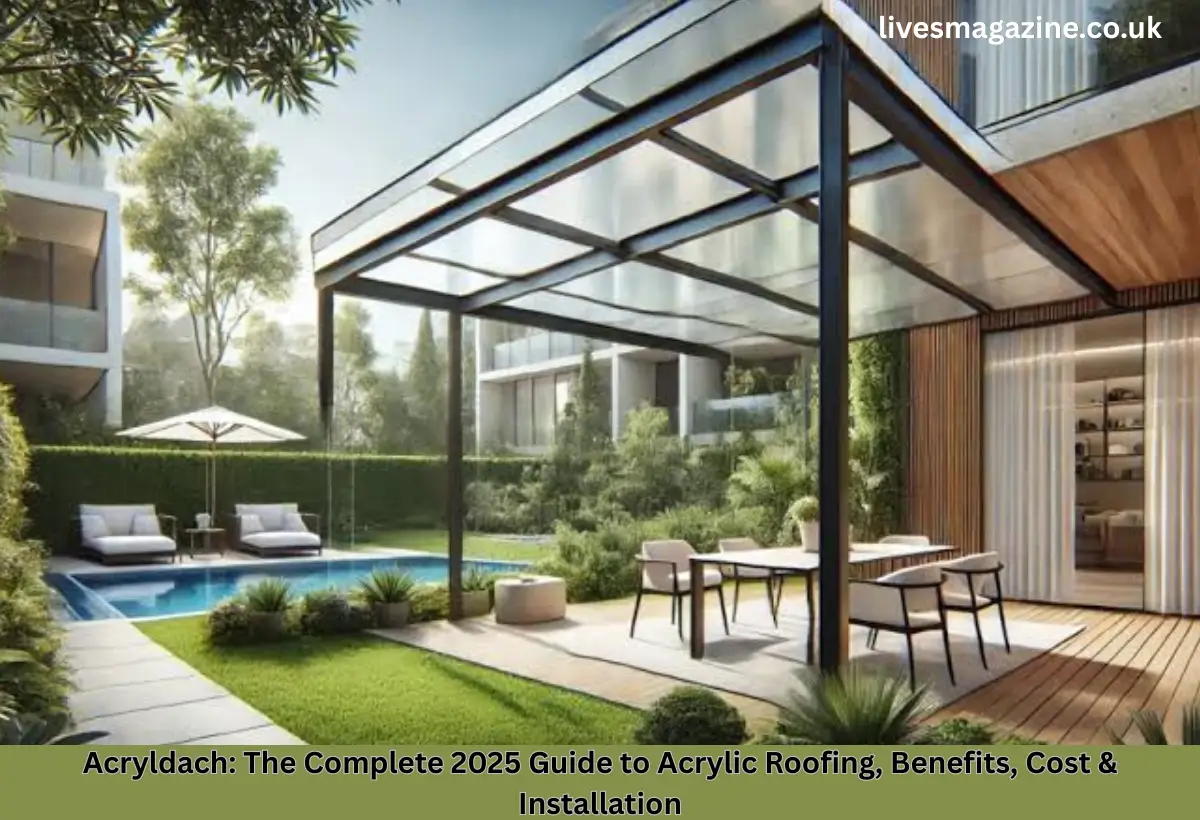
- Residential: pergolas, patios, carports, sunrooms, skylights.
- Commercial: atriums, mall skylights, walkways and canopy covers.
- Agricultural & Horticulture: greenhouses, nurseries (high light transmission + UV control).
- Industrial: rooflights in factories and warehouses where daylighting reduces energy costs.
- Architectural & Art Installations: curved translucent roofs and façade elements.
Acryldach’s combination of clarity, weight savings and formability makes it a multipurpose roofing choice — especially where natural light is a priority.
Acryldach vs. Other Roofing Materials
Acryldach vs. Glass
- Weight: Acrylic is ~50% the weight of glass — easier to handle and lighter load on structure.
- Safety: Acrylic tends not to shatter into dangerous shards like glass, making it safer in impact scenarios.
- Clarity: Comparable to glass; acrylic can achieve excellent optical clarity.
- Durability: Glass is more scratch-resistant long-term, while high-quality acrylics resist weathering better than older plastics but can scratch more easily if mishandled.
Acryldach vs. Polycarbonate
- Impact Resistance: Polycarbonate outperforms acrylic dramatically — polycarbonate can be 9–30× stronger depending on thickness and formulation, so it’s preferred for high-impact needs.
- Clarity & Gloss: Acrylic typically has better optical clarity and gloss retention; polycarbonate can yellow or haze if not properly stabilized.
- Cost & Workability: Acrylic is often easier to cut and finish; polycarbonate is more robust but can be harder to machine cleanly.
Bottom line: choose acryldach (acrylic) when clarity, aesthetics, and low weight matter; choose polycarbonate when impact resistance and security are top priorities.
Installation Guide — How to Install Acryldach Roofing
Note: Always follow manufacturer instructions. For large or load-bearing installations, hire a professional.
Tools & Materials Required
- Measuring tape, marker and straight edge
- Fine-tooth saw or plastic-cutting blade
- Drill with correctly sized bits for pre-drilling holes
- Stainless steel / corrosion-resistant screws with neoprene or EPDM washers
- Acrylic-compatible sealant & flashings
- Safety gear: eye protection, gloves, dust mask, ladder/roof harness
Step-by-Step Process
- Plan & Measure: Determine slope, drainage, and panel layout. Allow for thermal expansion (see below).
- Cutting: Use fine-tooth blades at slower feed rates to avoid cracking. Keep protective film until installed.
- Pre-drill Mounting Holes: Drill oversize holes slightly larger than the fastener shank to permit movement (typical recommendation: 2–4 mm clearance; follow manufacturer specs).
- Fixing & Fastening: Fasten with appropriate screws and rubber washers to form weather-tight seals. Do not overtighten.
- Sealing Joints: Use compatible sealant and flashings; ensure overlaps provide water shedding.
- Allow Thermal Movement: Plastics expand more than glass; leave manufacturer-recommended gaps at edges and fixings to prevent buckling.
- Final Inspection & Clean: Remove protective film, inspect seals and drainage, and clean gently.
DIY vs. Professional: Small pergolas or carports can be DIY if you have basic carpentry skills; complex roofs, large spans, or commercial installations are best handled by trained installers.
Thermal Expansion — Why Details Matter
PMMA expands and contracts more than glass with temperature swings. Installers must:
- Use oversized holes for screws
- Leave specified clearance between panels
- Use flexible sealants and compression gaskets
Neglecting expansion allowances causes buckling, cracking or leaking — common DIY pitfalls.
Maintenance and Cleaning Tips
- Routine Cleaning: Soft cloth or sponge with mild soapy water; rinse thoroughly. Avoid abrasive pads or ammonia-based cleaners that can cloud or damage the surface. Manufacturer guidelines (e.g., PLEXIGLAS cleaning guidance) recommend soft cloths and mild detergents.
- Remove Debris Carefully: Blow off loose dirt with low-pressure air before wiping to reduce scratching risk.
- Inspect Seals & Fasteners: Yearly checks of sealants, flashing and fasteners prevent leaks.
- Scratch Repair: Light scratches can often be polished out; deeper damage may require panel replacement.
- Avoid Paint Strippers & Solvents: These can craze or dissolve acrylic.
With reasonable care, acryldach roofs keep clarity and function for many years.
Cost of Acryldach Roofing in 2025
Costs vary widely by region, sheet thickness, quality (UV-stable coatings, anti-scratch treatments), panel format (solid vs multi-wall), and installation complexity.
Typical cost components:
- Materials: acrylic sheets (price per m² varies with thickness and grade). Multi-wall panels typically cost more per m² than thin solid sheets but provide better insulation.
- Installation: labor, structural framing adjustments, flashing and sealants.
- Accessories & Disposal: gaskets, screws, flashings, transport.
Example price signals (U.S./general market guidance):
- Roof coating/roof sealing (acrylic coatings) costs range $0.50–$4.50 per sq ft for coatings and sealing jobs; full replacement costs of roofing materials vary much higher. For reference, roof coating averages are cited at $1–$4/ft² in industry surveys.
Ballpark: Expect installation of a professional acryldach system (materials + labor) to vary from a few dozen to several hundred USD per m² depending on specs — always get multiple quotes and verified installer references. Budget for premium UV-stable acrylic panels and proper flashing to ensure long-term performance.
Common Challenges or Drawbacks
Scratch Sensitivity
Acrylic can scratch more easily than glass. Use care during handling and choose panels with anti-scratch coatings if abrasion is a concern.
Thermal Movement
If fasteners or gaps aren’t sized correctly, thermal expansion can cause buckling or leaks.
Impact Resistance Compared to Polycarbonate
For areas with heavy hail or potential high-impact risk, polycarbonate is more suitable because it’s significantly tougher.
Quality Variation
Low-cost or uncoated acrylic sheets may yellow or degrade faster; choose reputable manufacturers and check warranty terms.
Acryldach and Sustainability
Acryldach can contribute to greener buildings:
- Daylighting reduces electric lighting demand.
- Lightweight panels reduce embodied energy in supporting structure.
- Some acrylics are recyclable where local facilities accept PMMA — check local recycling options.
However, lifecycle impacts vary by product (material sourcing, coatings, transportation and end-of-life management). Choosing low-VOC coatings and energy-efficient LED-based manufacturing practices improves the sustainability profile.
Innovations and Future Trends
Nano-Coatings & Anti-Fingerprint Finishes
Advances in coatings improve scratch resistance, hydrophobicity and self-cleaning properties — making acrylic panels easier to maintain.
Smart & Switchable Acrylics
Research into auto-tinting or electrochromic acrylics could allow dynamic light control in roof elements, blending daylighting with solar gain control.
Integration with Solar & Energy Systems
Transparent PV and BIPV concepts are evolving; acryldach systems may increasingly integrate semi-transparent solar laminates for daylight + energy generation.
Market Growth Signals
The broader acrylic and polycarbonate sheets market is projected to grow (analyst estimates suggest multi-billion USD market expansion into the late 2020s), signaling continuing investment and innovation in PMMA and derivative roofing applications.
Choosing the Right Acryldach Panels — Expert Tips
- Specify UV-stable or coated panels for long-life clarity.
- Choose proper thickness: thicker solid panels for durability; multi-wall for better insulation.
- Confirm warranty & optical specs (light transmission percentages and haze ratings).
- Check for anti-scratch or hard-coat options if traffic or cleaning abrasion is high.
- Ensure installer understands thermal expansion requirements — ask for installation tolerances in writing.
- Verify fire-rating and building code compliance for your intended location.
- Get multiple quotes and references and request clearance testing or mockups if large or visible areas are being replaced.
Myths and Misconceptions About Acryldach
Myth: Acrylic breaks easily.
Fact: Acrylic is more impact resistant than glass and won’t shatter into dangerous shards, though polycarbonate is tougher for extreme impacts.
Myth: Acrylic yellows quickly.
Fact: Modern UV-stable formulations and coatings greatly reduce yellowing; cheap, uncoated acrylic can degrade faster, which is why quality matters.
Myth: Acrylic roofs are unaffordable.
Fact: Initial material or equipment costs vary, but lifecycle savings from lower framing costs, daylighting, and reduced maintenance often make acryldach cost-effective for the right projects.
Conclusion — Is Acryldach Worth It?
Acryldach is a compelling option where light, weight and aesthetics matter. It offers near-glass clarity, design flexibility, and energy-performance advantages that fit modern building trends. It’s not the best fit everywhere: high-impact zones or sites with extreme physical abuse still favor polycarbonate or laminated glass. But for patios, skylights, pergolas, greenhouses and many commercial roof-lighting uses, acryldach balances performance, beauty and cost.
If you choose acryldach, invest in quality UV-stable panels, correct installation with thermal movement allowances, and a maintenance plan. That combination will deliver attractive, long-lasting roofs capable of transforming dark interiors into bright, efficient, enjoyable spaces.
FAQs (short)
Q1: How long will an acryldach roof last?
Typical service life for quality, UV-protected panels is 15–30 years with proper maintenance.
Q2: Can I install acryldach myself?
Small DIY projects are possible, but large or load-bearing roofs should be installed by professionals due to thermal expansion and sealing details.
Q3: Is acryldach better than polycarbonate?
Better for clarity and gloss; not as good for high-impact or security applications. Choose based on your priorities.
Q4: How do I clean acrylic roofing?
Use a soft cloth or sponge and mild soapy water; avoid ammonia-based cleaners and abrasives.
Q5: Will acrylic yellow in sunlight?
High-quality UV-stable acrylic and coatings are designed to resist yellowing. Lower-quality panels may degrade faster.
Read Also:- 258.63.253.200 Explained