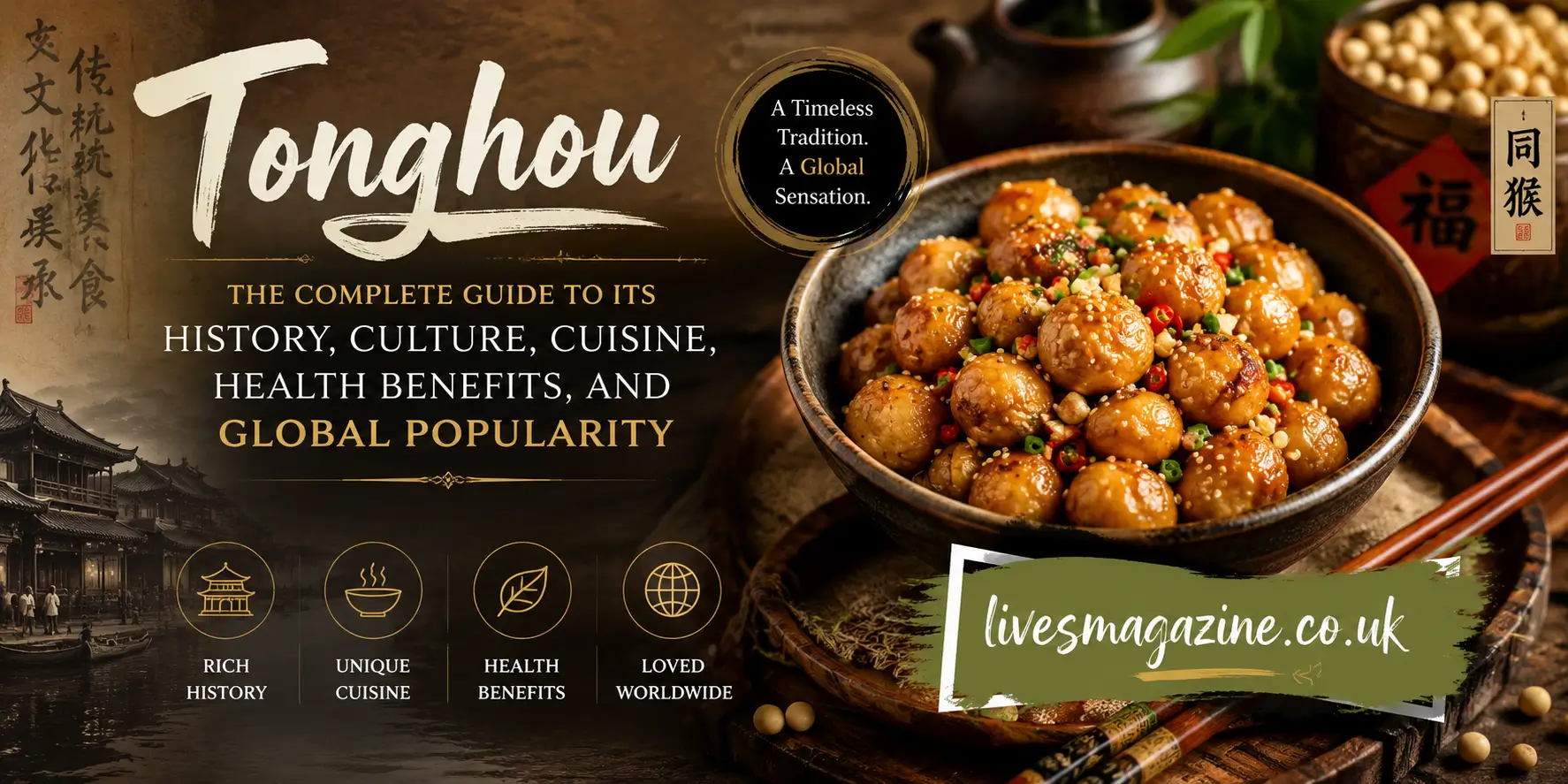
Introduction to Tonghou
Tonghou is a leafy green vegetable harvested from Glebionis coronaria, a species of flowering plant in the daisy family Asteraceae. Originally native to the Mediterranean, it has been cultivated in China and East Asia for more than 900 years, becoming deeply embedded in local food traditions and daily life.
Often described as having a slightly bitter, peppery flavor with aromatic undertones, Tonghou can be eaten cooked or raw, and is especially popular in stir-fries, soups, hot pots, and salads
This guide will take you through Tonghou’s origin and meaning, its role in culture and cuisine, flavorful recipes, remarkable health benefits, and why it deserves a place in kitchens worldwide.
The Origins and History of Tonghou
Tonghou’s story begins not in China, but in the Mediterranean region—yet it is in China and East Asia that it became a culinary staple. Botanists believe Glebionis coronaria was introduced to East Asia via ancient trade routes and quickly found favor due to its hardiness, quick growth cycle, and culinary utility.
In China, Tonghou has been cultivated and consumed for at least nine centuries, with documented use dating back to the Tang and Song dynasties. Over time, it became a common ingredient in regional dishes, appreciated not just for flavor but for its symbolic connection to health and balance in traditional diets.
Its cultivation spread throughout East Asia, with local names including shungiku in Japan, ssukgat in Korea, and tan o in Vietnam. Across these regions, the greens became integral to hot pot meals, soups, and stir-fried vegetable dishes.
Cultural Significance of Tonghou
In China, Tonghou has long been more than a vegetable—it is part of cultural practices, seasonal eating traditions, and even traditional medicine.
Symbol of Renewal and Balance
Because it is harvested across spring and winter, Tonghou is often associated with seasonal transition and detoxifying meals that help cleanse the body after heavy winter diets.
Role in Traditional Chinese Medicine
According to traditional Chinese thought, Tonghou is considered to have cooling properties that help restore balance to the body, support digestion, and clear heat, contributing to wellness and vitality.
Shared Tables and Community
In many communities, especially in southern China, families share meals featuring Tonghou during festivals and family gatherings. The vegetable’s versatility allows it to be incorporated across courses—from soups to main stir-fries—symbolizing abundance and togetherness.
While exact historical rituals specific to Tonghou may vary by region, its culinary use often overlaps with meaningful gatherings and seasonal festivals.
Festivals and Celebrations Associated with Tonghou
Although Tonghou itself may not be the centerpiece of major Chinese festivals, it often appears prominently at seasonal gatherings connected with harvests and family meals.
Across China and neighboring countries, festivals like the Lantern Festival, Spring Festival, and various harvest celebrations are accompanied by shared meals that feature seasonal greens—including Tonghou in soups, hot pots, and banquets. These dishes symbolize fresh beginnings, prosperity, and well-being.
Tonghou Cuisine Explained
So what exactly is Tonghou in culinary terms?
Tonghou’s flavor is distinctive: slightly bitter yet aromatic, with a fresh herbal quality that pairs well with bold flavors. When cooked briefly—such as in a quick stir-fry or hot pot—it mellows and becomes tender while retaining texture.
In many Chinese households, it’s a go-to green for:
- Hot pots (added at the end to preserve crunch)
- Stir-fries with garlic and soy
- Soup greens
- Vegetable sides
- Salads when young and tender
Across Japan, Korea, and Vietnam, similar uses are found—showing the vegetable’s adaptability in East Asian cuisines.
Regional Variations of Tonghou Dishes
Chinese Cuisine
In Cantonese cooking, Tonghou is frequently simmered or added to soups and hot pots, often with light soy or broth. In northern China, it might be incorporated into dumpling fillings or pasta dishes.
Japanese Cuisine
Known as shungiku, it appears in nabemono hot pots and is sometimes served lightly dressed with soy sauce and sesame or mixed into salads.
Korean Cuisine
In Korea, ssukgat is used in soups, stews, and as namul (seasoned vegetable sides), showcasing its utility beyond Chinese cooking.
Vietnamese and Other Styles
In Vietnam, the greens (tan o) often appear in soups and noodle dishes, adding herbal depth and nutritional value.
Key Ingredients Used in Tonghou Dishes
Tonghou dishes typically rely on simple, complementary ingredients that enhance its natural flavor rather than overpower it.
Common ingredients include:
- Garlic
- Ginger
- Soy sauce
- Sesame oil
- Chili flakes or peppers
- Broth or stock for hotpot
- Light seasoning to preserve aroma
These pairings allow Tonghou’s bright, herbaceous taste to shine, especially when cooked quickly to preserve nutrients and texture.
Cooking Techniques Used in Tonghou Cuisine
Stir-Frying
A classic approach—quick cooking over high heat with aromatics—helps retain the greens’ color and texture.
Blanching
Used in soups and hot pots to lightly cook the leaves while preserving flavor and nutrients.
Hot Pot Preparation
In communal hot pots, Tonghou is often one of the last ingredients added since it wilts and cooks quickly.
Raw and Salad Uses
Young leaves with tender stems can be used raw in salads or as fresh garnishes, especially in Yunnan and other regions that embrace raw greens.
Popular Traditional Tonghou Dishes
Garlic Stir-Fried Tonghou
A simple side dish where the greens are stir-fried with garlic, soy, and a splash of sesame—crisp, fragrant, and vibrant.
Hot Pot Greens
Added at the end of hot pot cooking, providing herbal freshness that balances rich broths.
Soups and Stews
Tonghou enhances broths with a gentle bitterness and aroma, often paired with other vegetables or proteins.
Regional Noodle or Dumpling Fillings
In some northern regions, sweet or savory fillings include chopped Tonghou for balance.
These dishes showcase the flexibility of Tonghou across meal types and cultural styles.
Health Benefits of Tonghou
Tonghou isn’t just flavorful—it’s incredibly nutritious.
Rich Nutrient Profile
According to nutrition databases, chrysanthemum greens are:
- Low in calories
- High in vitamins A, C, and K
- Good sources of potassium and fiber
- Antioxidant-rich for immune support
In just one cup (about 40g) of cooked greens:
- Vitamin A ~45% DV
- Vitamin C ~30% DV
- Vitamin K ~60% DV
- Fiber, folate, calcium, and iron also present in meaningful amounts.
Antioxidant and Anti-Inflammatory Benefits
Chrysanthemum greens contain flavonoids and phenolic compounds that help reduce oxidative stress and support cardiovascular health.
Heart Health and Blood Pressure
High potassium and antioxidant content may help manage blood pressure and improve vascular health.
Digestive and Detox Support
The fiber and traditional medicinal properties of Tonghou are believed to support digestion and help the body eliminate toxins.
Tonghou in Traditional Chinese Medicine
In traditional Chinese medicine (TCM), foods are classified according to qualities like thermal nature and channel affinity. Tonghou is considered “cooling,” making it useful for balancing internal heat and supporting liver and digestive function. It’s also thought to calm the mind and ease inflammation—though these uses are rooted in holistic practices rather than modern clinical evidence.
How to Cook Tonghou at Home
Choosing Fresh Tonghou
Look for bright green leaves without wilting. Tender young leaves are ideal for salads, while more mature leaves suit stir-fries.
Garlic Stir-Fried Tonghou (Basic Recipe)
Ingredients:
- Fresh Tonghou greens
- 2 tbsp oil
- 3 cloves garlic
- 1–2 tsp soy sauce
- 1 tsp sesame oil
Instructions:
- Heat oil in a wok or pan.
- Add garlic and stir until fragrant.
- Add Tonghou and stir-fry 2–3 minutes until wilted.
- Season with soy sauce and sesame oil.
- Serve hot with rice or noodles.
This basic technique preserves flavor and texture while delivering great taste.
Tonghou as a Travel and Cultural Experience
Although not the name of a city or tourist destination, Tonghou (chrysanthemum greens) plays a role in culinary travel across China and East Asia. In bustling Chinese markets and rural food scenes alike, you’ll find these greens showcased at food stalls, hot pot restaurants, family tables, and festival banquets.
Travelers exploring regional cuisines—especially in Sichuan, Yunnan, and Guangdong—will notice Tonghou’s presence in seasonal menus and traditional dishes, making it an essential local culinary experience.
Modern Influence and Global Popularity of Tonghou
In recent years, Tonghou has gained popularity outside Asia due to:
- Rising interest in plant-based foods
- Global exploration of Asian cuisines
- Availability in specialty markets and farms abroad
In the US and Europe, it appears in high-end Asian restaurants, fusion dishes, and health-oriented menus that spotlight nutrient-dense leafy greens.
Preserving the Heritage of Tonghou
Though global, Tonghou’s cultural heritage remains rooted in traditional practices. Chefs and home cooks alike preserve classic techniques while experimenting with new recipes that bring this historic green to modern tables.
Efforts to document and celebrate local food history also help keep Tonghou’s legacy alive—ensuring future generations understand both its culinary and cultural importance.
Tips for First-Time Tonghou Food Lovers
- Start with stir-fried dishes to familiarize yourself with the flavor.
- Pair with familiar ingredients (soy, garlic, sesame).
- Don’t overcook—light cooking preserves texture and nutrients.
- Explore hot pot occasions to taste it in context with other ingredients.
Frequently Asked Questions About Tonghou
What does Tonghou taste like?
A slightly bitter, peppery herbal flavor that softens with cooking.
Is Tonghou the same as ornamental chrysanthemums?
No—these are specifically cultivated edible greens.
Can you eat Tonghou raw?
Yes—especially young tender leaves in salads.
How long does Tonghou last in the fridge?
3–5 days best when wrapped and sealed.
What are good substitutes for Tonghou?
Spinach, bok choy, or other leafy greens.
Is it safe for everyone?
Generally yes—but people allergic to Asteraceae plants (marigolds, ragweed) should be cautious.
Final Thoughts – Why Tonghou Deserves Global Recognition
From humble roots as a Mediterranean herb to a mainstay of Chinese and East Asian kitchens, Tonghou stands out as a nutritious, flavorful, and culturally rich vegetable. Its adaptability, health benefits, and deep connection to food traditions make it more than a leafy green—it’s a bridge between cultures, cuisines, and generations.
Read More: Players Infoguide Dmgconselistas