As global energy demands continue to grow, industries and communities are searching for cleaner and more flexible power solutions. One of the most innovative developments in renewable energy is the mobile solar container, a portable solar power system designed to deliver electricity quickly in remote or off-grid locations. By combining solar panels, batteries, and control systems inside a transportable container, these systems provide a reliable source of clean energy wherever it is needed.
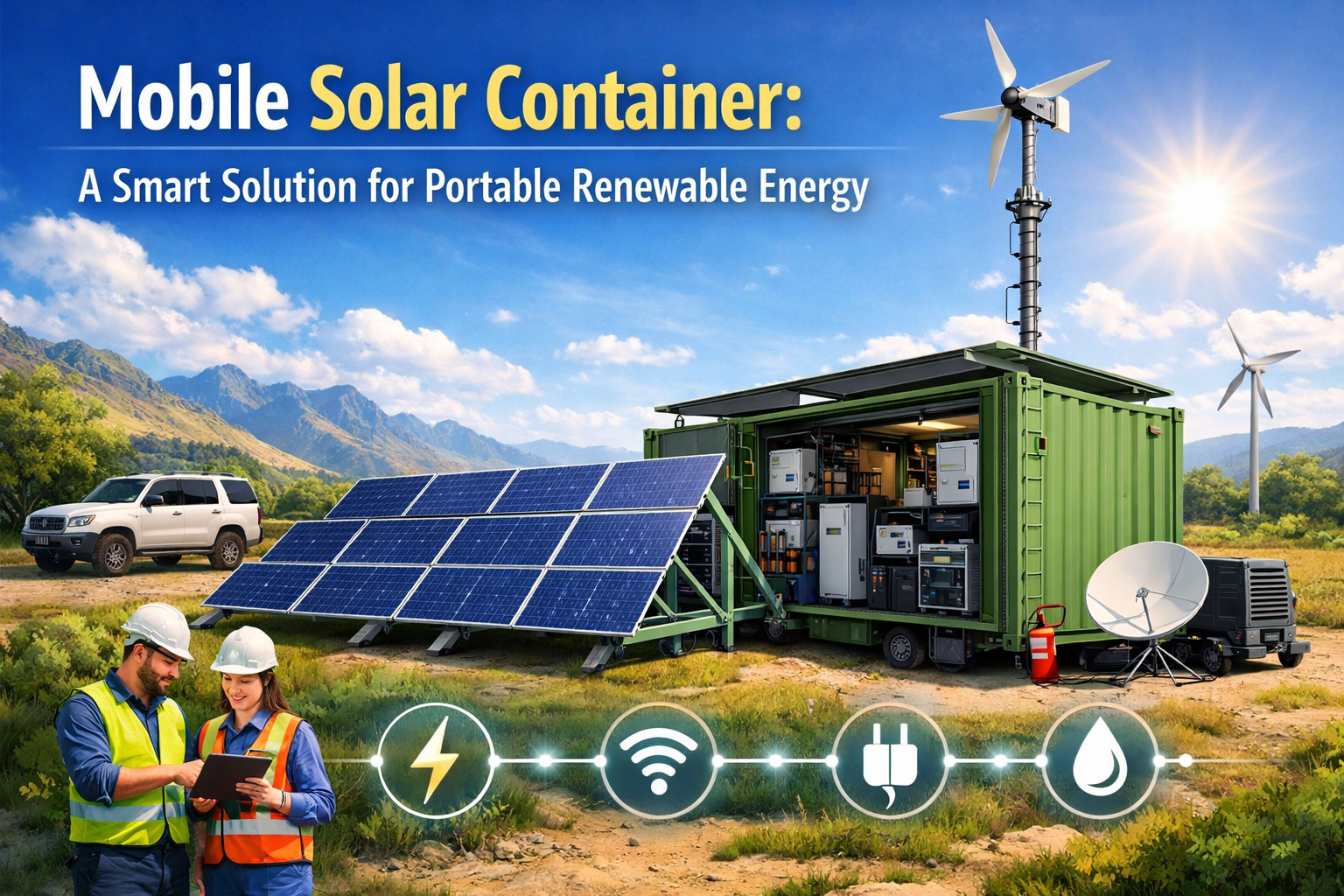
A mobile solar container is essentially a compact solar power station built inside a shipping container. All major components—including photovoltaic panels, energy storage batteries, inverters, and monitoring systems—are pre-assembled and tested before deployment. Once the container arrives at the site, it can be installed and activated quickly to begin generating electricity. These systems are particularly useful in areas where building traditional power infrastructure would be expensive or impractical.
What Is a Foldable Solar System?
A foldable solar system is a type of containerized solar technology where the photovoltaic panels are stored inside the container during transportation and unfold when deployed. This foldable design allows the system to remain compact during shipping while still offering a large solar array for energy generation once installed.
These systems often include high-efficiency photovoltaic modules, lithium battery storage, and smart inverters that manage electricity production and distribution. Many foldable systems can be fully deployed in less than an hour, making them ideal for emergency situations and temporary projects.
Key Components of a Mobile Solar Container
A mobile solar container works through the integration of several essential components that together form a complete solar power system.
1. Solar Panel Array
Solar panels capture sunlight and convert it into electrical energy. In foldable container systems, these panels are mounted on extendable frames that unfold from the container to maximize exposure to sunlight.
2. Battery Energy Storage
Energy generated during the day can be stored in lithium battery systems inside the container. This allows the system to provide electricity at night or during cloudy weather.
3. Inverter and Energy Management System
The inverter converts direct current (DC) electricity produced by the panels into alternating current (AC), which is used by most electrical equipment. Energy management systems help regulate power distribution and optimize performance.
4. Container Housing
The entire system is housed in a durable shipping container designed to withstand harsh weather conditions and transport across long distances.
Together, these components transform the container into a fully functional solar power plant that can operate almost anywhere.
Advantages of a Foldable Solar System
Containerized solar solutions offer several benefits compared to traditional energy systems.
Rapid Deployment
Since the system is pre-assembled and factory-tested, it can be transported and installed quickly. Some foldable solar containers can be operational within about an hour of arrival.
Portability
The container format allows easy transportation by truck, ship, or crane, making it suitable for projects that require power in multiple locations.
Clean and Sustainable Energy
Mobile solar containers generate electricity using sunlight, producing zero emissions and reducing reliance on diesel generators.
Scalability
Multiple containers can be connected together to form larger power systems or microgrids, making them suitable for projects with increasing energy demands.
Low Maintenance
Solar systems generally require minimal maintenance compared with traditional fuel-powered generators.
Common Applications of Mobile Solar Containers
Because of their flexibility and efficiency, mobile solar containers are used in many industries and sectors.
Disaster Relief and Emergency Response
After natural disasters such as earthquakes or floods, electricity infrastructure may be damaged or unavailable. Portable solar containers can provide immediate power for rescue operations, medical facilities, and emergency shelters.
Construction and Mining Projects
Construction sites in remote locations often depend on diesel generators. Mobile solar containers provide a cleaner and more cost-effective alternative.
Telecommunication Infrastructure
Remote communication towers require continuous electricity to maintain network operations. Solar containers can provide reliable off-grid power.
Military and Field Operations
The portability and silent operation of solar containers make them ideal for military bases and temporary field installations.
Rural Electrification
In areas without reliable grid infrastructure, mobile solar systems can supply electricity for schools, hospitals, and communities.
The Future of Portable Solar Power
Renewable energy technology continues to evolve rapidly, and containerized solar systems are becoming increasingly popular worldwide. Their ability to deliver clean energy quickly and efficiently makes them a practical solution for modern energy challenges.
With improvements in solar panel efficiency, battery storage capacity, and smart energy management systems, the mobile solar container and foldable solar system are expected to play a major role in the future of off-grid and portable power generation.
As governments, businesses, and humanitarian organizations seek sustainable energy alternatives, containerized solar technology offers a powerful way to bring reliable electricity to places where traditional power infrastructure cannot reach.