Introduction
Palentu is a simple dish with deep roots — a cornmeal-based comfort food that has nourished communities across Italy, the Balkans, and beyond for centuries. It’s familiar to many as polenta, mămăligă, or cornmeal mush, yet the regional name “palentu” highlights local dialects and traditions. Today it appears on rustic family tables and restaurant tasting menus alike, valued for its versatility, gluten-free profile, and ability to carry bold flavors. This article is your complete guide: history, ingredients, step-by-step recipes, nutrition, cultural meaning, modern adaptations, and practical tips so you can cook palentu perfectly every time.
What Is Palentu?
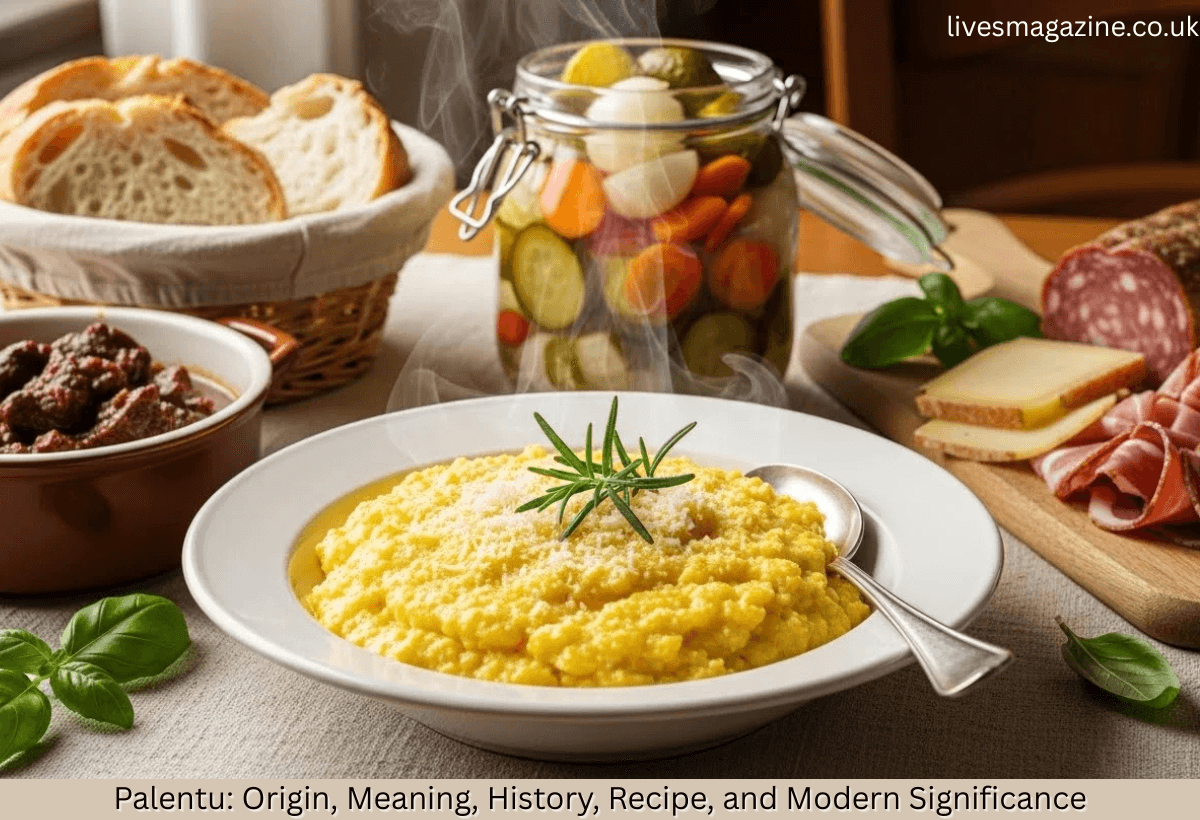
Palentu is a dish made from cornmeal cooked in liquid until it reaches a porridge-like or sliceable consistency. Depending on cook time and grain coarseness, it can be served soft and creamy, or cooled, sliced, and grilled or fried. Across regions the same basic technique is adapted with different liquids (water, stock, milk), fats (butter, olive oil), and toppings (cheese, sauces, stewed meats), which gives palentu its broad culinary identity.
In many places “palentu” and “polenta” are effectively interchangeable terms; elsewhere, palentu can carry a specific regional meaning tied to the Balkans and local customs. The important thing for cooks: it’s a blank canvas. Mild in flavor and hearty in texture, palentu pairs beautifully with savory ragùs, roasted vegetables, sautéed mushrooms, or a drizzle of high-quality olive oil.
The Origin and History of Palentu
Ancient Roots: Pulmentum and Porridge Tradition
The idea of cooking a grain into a soft porridge is ancient. The Roman term pulmentum described porridges and mushes eaten by soldiers and peasants; it wasn’t cornmeal originally, but the same technique applied to grains like millet, spelt, or farro. After maize (corn) arrived in Europe from the Americas in the 16th century, many regions adapted their porridge traditions to the new, abundant grain. What we now often call polenta or palentu is the direct descendant of that adaptation.
Regional Spread and Cultural Role
In Northern Italy, polenta became a staple crop substitute when wheat failed or was too expensive. In the Balkans, similar cornmeal dishes (by other names) served the same role: cheap, filling, and adaptable. Across rural Europe, these dishes were central to daily life and festivals alike — a reliable, warming plate that could be enriched when ingredients were available.
Over time, palentu / polenta moved from peasant sustenance to regional culinary icon. In some regions it remained a daily staple; in others it became a comfort food served on special occasions. Its longevity speaks to both its practicality and its ability to act as a culinary “carrier” — taking on the flavors of whatever is served with it.
Palentu vs Polenta — Are They the Same Thing?
Short answer: mostly yes, but context matters.
- Polenta is the widely known Italian term for cornmeal porridge and its various preparations.
- Palentu is a regional variant of the name used in some parts of Eastern Europe and the Balkans; in many modern sources the words are used interchangeably. The preparation and texture can vary by locale and preference: Italians often emphasize creamy polenta or firm polenta slices paired with regional sauces; Balkan traditions sometimes serve palentu with yogurt, sheep cheeses, or hearty stews.
Cultural nuance matters more than culinary difference. If you’re writing or speaking for an audience that recognizes one term over the other, favor the local name — but in practical kitchen terms you can follow any polenta recipe to make palentu.
Ingredients Used in Traditional Palentu
Traditional palentu relies on just a few ingredients. Quality and technique are what make the end result sing.
Core ingredients
- Cornmeal (coarse, medium, or fine grind — coarse gives tooth, fine yields creaminess)
- Water (or part water, part milk/stock)
- Salt
Optional enrichments
- Butter or olive oil (for richness and sheen)
- Cheese (Parmesan, feta, kashkaval, or local white cheeses)
- Herbs (rosemary, thyme)
- Pepper or chili flakes for heat
- Stocks (chicken, vegetable, or beef) to deepen flavor
Tips on grain selection
- Coarse cornmeal yields firmer texture and is ideal if you want to cool and slice the palentu.
- Fine cornmeal makes a creamier porridge.
- Instant polenta exists for speed but lacks the depth of slowly cooked cornmeal.
How to Make Palentu at Home (Step-by-Step Guide)
Traditional Stove Method (Creamy Palentu)
This method gives the most control and depth of flavor.
Ingredients (serves 4)
- 1 cup coarse cornmeal
- 4 cups water (or 3 cups water + 1 cup stock/milk for richer flavor)
- 1 tsp salt (adjust to taste)
- 2 tbsp butter or 2 tbsp olive oil (optional)
- ¼–½ cup grated cheese (optional)
Method
- Boil the liquid — bring the water/stock to a rolling boil in a heavy-bottom pot.
- Add salt to taste.
- Whisk in cornmeal slowly while whisking constantly to avoid lumps. Reduce heat to low.
- Simmer and stir — cook gently for 25–40 minutes, stirring frequently. As the mixture thickens, scrape the bottom and sides to prevent sticking. Classic palentu is patient cooking; the slow simmer develops flavor and softens grit.
- Finish by stirring in butter or olive oil and cheese for creaminess. Taste and adjust seasoning. Serve immediately for a soft, spoonable palentu.
Pro ratio: typical ratio is about 4:1 liquid to cornmeal by volume, but adjust slightly depending on desired firmness.
Making Firm Palentu (for Slicing, Grilling, or Frying)
- Follow the traditional method but slightly reduce the liquid (e.g., 3½ cups liquid to 1 cup cornmeal) and cook until the mixture is quite thick.
- Pour into a lightly oiled shallow tray and smooth the top.
- Cool at room temperature, then refrigerate until firm (2–4 hours).
- Cut into slices, brush with oil or butter, and grill or fry until crisp and golden.
Quick & Modern Methods
- Instant polenta: Use the package instructions; usually ready in 5 minutes with hot water. Great for weeknights.
- Microwave method: Combine liquid and cornmeal in a microwave-safe bowl, cook in 2–3 minute bursts, stirring in between. Watch carefully to prevent boil-overs.
- Pressure cooker / Instant Pot: Use a short manual or porridge setting; results are fast and reliable — often 5–10 minutes of pressure time followed by natural release.
Common Mistakes to Avoid
- Adding cornmeal too quickly (causes lumps).
- Cooking at too high heat (creates a pasty or burnt bottom).
- Under-seasoning; palentu benefits from a little salt and fat.
- Using stale cornmeal — always check freshness for best flavor.
Regional Variations of Palentu Around the World
Italy (Polenta)
In Northern Italy polenta is integral: served with ragù, braised meats, or slices topped with gorgonzola. Variations include soft polenta and firm polenta cut into shapes. Polenta is closely tied to regional specialties (e.g., polenta concia in Valle d’Aosta with cheese and butter).
The Balkans
Across Montenegro, Albania, Kosovo, and parts of the former Yugoslavia, palentu (or local equivalents) is common. It’s often paired with yogurt, white cheese, or stews. In many rural households it’s a breakfast staple; in others, a festival food.
Romania and Moldova (Mămăligă)
Mămăligă is Romania’s version — often firmer, served with sour cream, pickled vegetables, or meats. It has deep cultural associations and is a national comfort dish.
Global & Modern Adaptations
In the U.S. and international kitchens, palentu/polenta has been adapted for gourmet contexts: served with truffle oil, wild mushrooms, or seafood; made into lasagna layers; used as a gluten-free taco shell base. Chefs prize its ability to soak up sauces and provide a neutral, textural contrast.
Nutritional Value and Health Benefits of Palentu
Palentu (when made simply with cornmeal and water) is relatively low in fat, provides complex carbohydrates for sustained energy, and is naturally gluten-free — making it appropriate for people with celiac disease or gluten sensitivity.
Estimated nutrition (approximate)* per 1 cup cooked polenta/palentu:
- Calories: ~180
- Carbohydrates: ~38 g
- Protein: ~4 g
- Fat: 1–2 g
- Fiber: ~1–2 g
(*Actual values vary by grind, liquid used, and serving size; fortifying with milk or cheese increases calories and protein.) Credible nutrition summaries list cooked polenta as roughly 70–200 calories per 100–240 g depending on preparation; a standard ¾–1 cup cooked serving is low to moderate in calories and contains small amounts of minerals like magnesium and iron.
Health highlights
- Gluten-free: Safe for gluten-intolerant diets when no cross-contamination occurs.
- Low fat (plain): A good base for balanced meals when combined with protein and vegetables.
- Energy source: Complex carbs provide sustained energy ideal for active days.
- Digestive comfort: Gentle on the stomach; fiber content helps digestion when paired with other high-fiber foods.
Best Ways to Serve Palentu (Food Pairings and Styles)
Palentu’s neutral, comforting profile makes it fabulous for pairing.
Classic savory pairings
- Braised beef, lamb, or oxtail — the sauce soaks into the palentu.
- Sausages and grilled meats — a rustic match.
- Mushrooms sautéed with garlic and herbs — vegetarian and rich.
- Tomato ragù or bolognese — for hearty, saucy dinners.
- Fried eggs and greens — for a simple breakfast or brunch.
Grilled or fried slices
- Brush slices with oil and grill; serve with tapenade or herbed yogurt.
- Pan-fry slices in butter until crisp, top with sautéed spinach and pine nuts.
Sweet variations
- Cook with milk and a touch of honey; top with fruit and nuts for breakfast.
- Serve as a base for desserts with compote or chocolate sauce in creative menus.
Vegan and health adaptations
- Use vegetable stock and olive oil; top with roasted seasonal vegetables and a tahini drizzle.
- Combine with legumes and greens for a balanced plant-based bowl.
Palentu in Modern Cuisine
Palentu has enjoyed a renaissance in recent years. Chefs and food creatives love its textural possibilities and allergy-friendly properties. As plant-forward and gluten-free dining trends expand, palentu fits neatly into menus that highlight whole grains and regional traditions.
From food trucks selling fried palentu snacks to Michelin-level plates where palentu is paired with foraged mushrooms or delicate seafood, this humble cornmeal porridge has found new life. Its culinary elasticity — from rustic to refined — is a key reason for that renewed attention.
Market interest in polenta and cornmeal products has also grown: industry reports project continued market expansion for cornmeal and polenta products as consumers seek gluten-free and versatile grain options. These trends reflect higher demand in retail and foodservice channels for prepared polenta and cornmeal-based foods.
Cultural Symbolism and Heritage of Palentu
Palentu is more than nourishment; it’s cultural memory. In many communities it is associated with family, endurance, and festivals. Historically, when food supplies were tight, palentu/polenta was the reliable meal that sustained households. That legacy gives the dish symbolic weight — a reminder of survival, communal dinners, and simple pleasures.
Festivals and family gatherings often feature palentu in traditional preparations, and passing down a grandmother’s method is a form of intangible heritage. For food historians, palentu demonstrates how staple dishes adapt across time: from Roman pulmentum to modern adaptations that honor both history and innovation.
Expert Insights and Modern Perspectives
Food historians point to palentu as a classic example of how foods migrate and transform — a porridge that shifted grain base with the introduction of corn to Europe, then embedded in local culinary vocabularies.
Nutritionists highlight palentu’s role as a gluten-free grain option that supplies energy and can be part of a balanced plate when paired with proteins and vegetables.
Chefs emphasize its flexibility: palentu can be humble comfort food or a refined element in a tasting menu depending on technique and accompaniment. Recent chef trends involve elevating palentu with high-impact toppings: preserved lemons, foraged herbs, or concentrated reductions to take advantage of its neutral base.
Common Misconceptions About Palentu
- “It’s the same as polenta” — largely true in technique, but regional names and serving customs differ enough to be meaningful in cultural contexts.
- “It’s just poor-people’s food” — while historically associated with peasant diets, palentu now appears at all levels of gastronomy, from home cooking to fine dining.
- “Palentu is bland” — when properly seasoned and paired, palentu is a refined canvas that amplifies complementary flavors.
FAQs About Palentu
Q1: What is palentu made of?
A: Primarily cornmeal cooked in water or stock; optional butter, milk, or cheese enrich the dish.
Q2: Is palentu the same as polenta?
A: In broad terms yes — they are variations of the same cornmeal porridge concept. Local names and specific serving traditions differ.
Q3: Is palentu gluten-free?
A: Yes, cornmeal is naturally gluten-free, but check for cross-contamination if you have celiac disease.
Q4: How long does palentu take to cook?
A: Traditional methods take 25–40 minutes; instant polenta cooks in minutes.
Q5: Can I grill or fry palentu?
A: Absolutely — cool it until firm, slice, then grill or fry for crisp, golden edges.
Final Thoughts — Why Palentu Still Matters Today
Palentu endures because it’s practical and adaptable. It carries scarcity and celebration in equal measure: historically essential in hard times, now revived for its taste, texture, and versatility. As diets shift toward whole grains and gluten-free options, and as chefs and home cooks rediscover traditional techniques, palentu remains a dish that bridges past and future. Make a pot, experiment with toppings, and you’ll understand why so many cultures have kept this humble cornmeal porridge at the center of dinner tables for generations.
Read About:- Blane McGuigan